Blog
4 Crucial Factors to Consider When Purchasing Travertine: Make the Right Choice for Your Home


When it comes to selecting the ideal stone for your renovation or construction project, few materials can rival the exceptional combination of timeless beauty, impressive durability, and remarkable versatility offered by travertine. This unique natural stone has been celebrated for centuries, gracing everything from ancient architecture to modern luxury homes, and continues to be a preferred choice for homeowners and designers alike.
Whether you’re envisioning a beautiful new patio to enhance your outdoor living space, an elegant and inviting kitchen, or a sophisticated, spa-like bathroom, choosing to invest in travertine can dramatically elevate the overall look and feel of your property, adding a level of refinement that few other materials can match.
However, before you make the final decision and move forward with purchasing this stunning stone, it’s essential to take the time to thoroughly understand the key distinctions between interior and exterior travertine. Additionally, familiarizing yourself with other crucial factors — such as installation techniques, maintenance requirements, and environmental considerations — will help ensure that you make a well-informed, thoughtful investment that will bring lasting beauty and value to your space for many years to come.
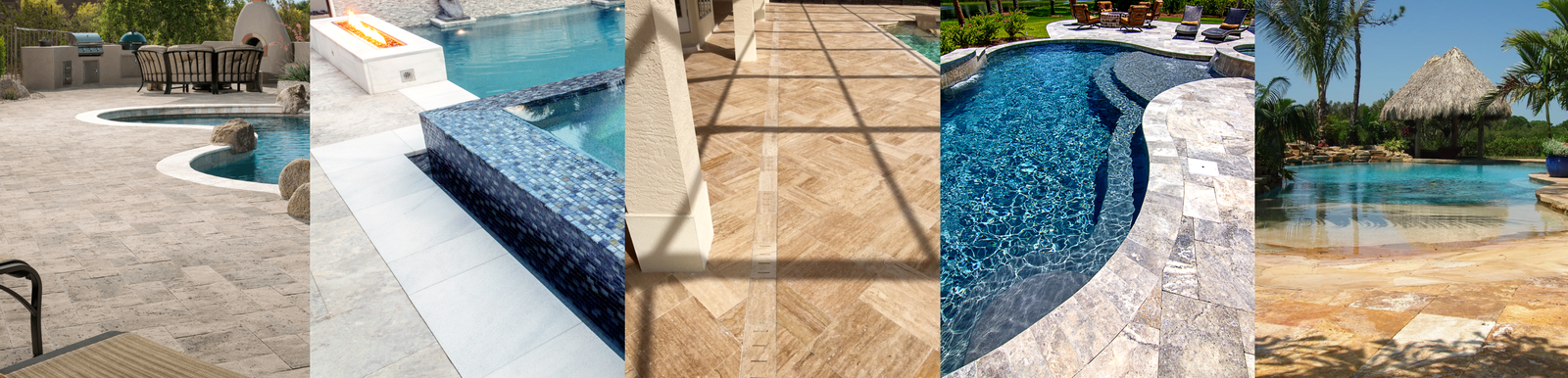
Table of Contents
In this blog post, we will take a comprehensive dive into the four most critical factors you need to carefully consider when purchasing travertine—ensuring that you not only avoid potentially costly mistakes but also secure the best possible value for your investment. By understanding these essential points, you’ll be better equipped to make a confident and informed decision, resulting in a final outcome that enhances the beauty, functionality, and longevity of your space.
1. Interior vs. Exterior: Understanding the Differences
The very first and perhaps most crucial question you need to answer when purchasing travertine is determining exactly where you plan to install it. While travertine is undoubtedly a beautiful, timeless, and highly versatile material that can enhance a wide variety of spaces, it’s important to recognize that not all travertine is created equal. Different types of travertine are specifically suited for different environments, and selecting the wrong variety could lead to disappointing results over time.
You need to thoughtfully choose the right type of travertine that best aligns with the particular purpose and the unique conditions of your installation site. For instance, interior and exterior travertine are fundamentally distinct, not only in terms of finish but also in their ability to withstand various elements. As such, the choice you ultimately make will have a profound impact on the overall durability, long-term performance, and visual appeal of your space, influencing how well the material holds up and how stunning it remains over the years.
Travertine Tiles for Interior Use
If you’re considering installing travertine in areas like your kitchen, bathroom, or living room, then choosing travertine tiles is definitely the way to go. These specialized tiles are designed to be thinner and are manufactured with straight, clean square edges, which makes them significantly easier to handle, cut, and install compared to heavier, bulkier stone pieces. They are typically cut into smaller, more manageable dimensions, offering greater flexibility during installation and allowing for quicker, more precise placement that can result in a cleaner and more professional-looking finish.
Additionally, the smooth, polished surface of interior travertine tiles lends them a refined, sophisticated appearance, creating a sleek and elegant atmosphere that is ideally suited for indoor environments where foot traffic and general wear are usually lighter. This combination of practicality and beauty makes travertine tiles a particularly smart choice for enhancing the aesthetic and functional quality of your interior spaces.
Travertine Pavers for Exterior Use
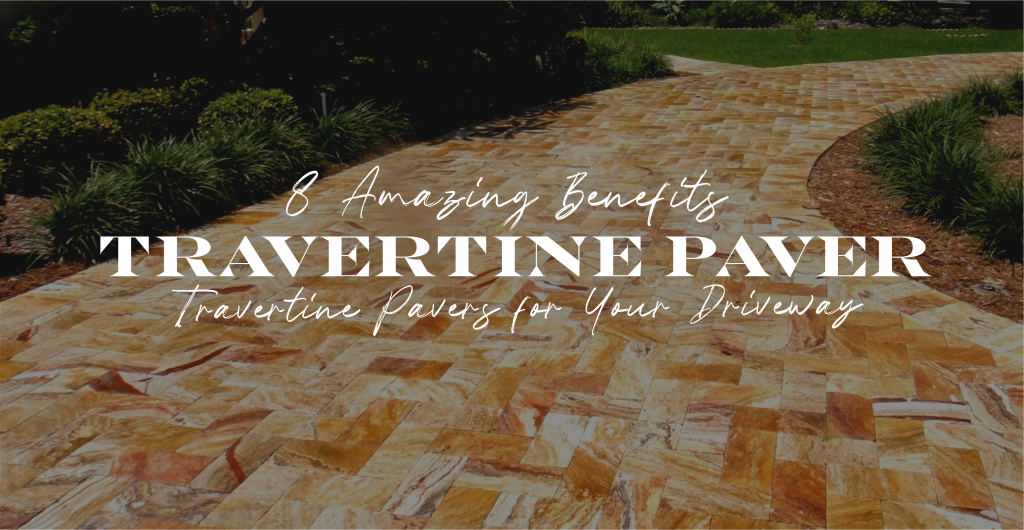
On the other hand, if you’re planning a project involving a patio, pool area, driveway, or any other type of outdoor space, you’ll need to opt for travertine pavers. These pavers are specifically designed to be thicker, sturdier, and far more resilient than their indoor counterparts, featuring chiseled or tumbled edges that not only enhance their aesthetic charm but also contribute to their overall durability.
This makes them exceptionally well-suited to withstand heavy foot traffic, vehicular loads, and ongoing exposure to the elements, including sun, rain, and fluctuating temperatures. Unlike travertine tiles, which are typically set with adhesive indoors, travertine pavers are most often installed using a base of sand and gravel, providing a secure, stable, and long-lasting foundation that can flex slightly with ground movement, reducing the risk of cracking. Additionally, their rustic, textured finish imparts a wonderfully natural, organic feel, blending seamlessly into outdoor environments and enhancing the beauty of gardens, patios, and poolscapes alike.
Choosing the correct type of travertine for your specific project is absolutely critical for achieving both the visual appeal you desire and the long-term performance you expect. By thoughtfully matching the material to the conditions and demands of its intended environment, you can significantly reduce the risk of premature wear, structural issues, or the need for costly repairs down the line, ultimately ensuring that your investment remains beautiful and functional for many years to come.
2. Shape, Pattern, and Finish: Tailor Your Design to Your Vision
One of the most attractive and desirable features of travertine is its incredible versatility, which sets it apart from many other natural stones. Travertine is available in a broad variety of shapes, patterns, and finishes, offering you a wide range of options to explore when designing your ideal space. Whether you are envisioning a sleek, modern interior, a cozy rustic retreat, or a grand, classic atmosphere, this natural stone gives you the creative freedom to bring your vision to life with ease and elegance. Its diverse selection allows for seamless customization, making it possible to achieve a design that not only meets but enhances the overall aesthetic and functionality of your space.
Shape and Pattern Options
Travertine tiles and pavers are available in an impressive variety of shapes, ranging from classic, traditional squares and rectangles to more intricate and eye-catching forms like circles, hexagons, and even completely custom designs tailored to your specific project. This versatility in shape selection allows you to truly personalize your space and achieve a distinctive look that aligns with your overall design vision.
The pattern you ultimately choose can have a major influence on the overall feel and character of the area you are creating. For instance, opting for a classic brick pattern can lend your space a timeless, traditional appearance, while choosing a herringbone pattern can introduce a heightened sense of sophistication, elegance, and dynamic visual interest. Additionally, for those seeking a one-of-a-kind aesthetic, you can mix and match different shapes and patterns, layering textures and layouts to create a unique, fully customized design that perfectly reflects your individual style and makes a lasting impression.
Finish Variations
The finish of your travertine is another important consideration. Travertine is available in several finishes, including:
- Polished Finish: This is the most refined and shiny option, providing a sleek, glossy appearance that works well in interior spaces like kitchens and bathrooms.
- Honed Finish: This is a matte finish that is smooth but not shiny. It’s ideal for both interior and exterior use and gives a more natural, subdued look.
- Tumbled Finish: Often used for outdoor areas, this finish has a rustic, aged look that enhances the natural beauty of travertine and gives it a more textured feel.
Choosing the right finish is essential for achieving your desired aesthetic. If you want a sleek, modern look, a polished finish might be best, but if you prefer a more rustic, natural look, a tumbled finish may be the right choice.
3. The Right Supplier: How to Choose a Trustworthy Vendor
One of the most commonly overlooked yet critically important aspects of purchasing travertine is selecting the right supplier. While much attention is often given to the type, color, and finish of the stone, finding a reputable and trustworthy supplier is equally essential to the success of your project. A reliable supplier doesn’t just offer high-quality products — they also provide outstanding customer service, valuable guidance, and dependable support throughout every stage of your purchasing journey, from selection to delivery.
Working with a knowledgeable supplier can make the entire process smoother and more enjoyable, helping you avoid unexpected issues. On the other hand, choosing the wrong supplier can lead to a host of problems, including receiving poor-quality stone, experiencing frustrating delays in shipping, and encountering significant headaches that can ultimately compromise your timeline, budget, and the overall satisfaction with your project.
Do Your Research
When embarking on a renovation or construction project that involves travertine, selecting the right supplier is paramount.A reputable supplier not only offers high-quality products but also provides excellent customer service and support throughout your purchase. Choosing the wrong supplier can lead to poor-quality stone, delays in shipping, and headaches in the long run.
Steps to Find a Reputable Supplier:
Verify Supplier Credentials: Ensure the supplier is a member of reputable industry associations, such as the Natural Stone Institute. Membership can indicate a commitment to quality and ethical business practices.
Conduct Online Research: Begin by searching online for travertine suppliers in your area or those who offer shipping to your location. Utilize online directories and industry websites to find natural stone suppliers in your area. Many reputable companies have informative websites showcasing their inventory, services, and customer testimonials.
Evaluate Product Offerings: Examine the supplier’s website to see what kinds of travertine they offer, including various shapes, patterns, and finishes. A diverse selection indicates a supplier’s expertise and ability to meet different design needs.
Check Pricing and Shipping Policies: Review the supplier’s pricing structure and shipping policies. Transparent pricing and clear shipping terms are signs of a trustworthy supplier.
Read Customer Reviews and Testimonials: Customer feedback can provide valuable insights into the supplier’s reputation. Look for reviews on their website, third-party review sites, and social media platforms.
Request Samples
Before committing to a large order, request samples of the travertine you’re considering. This will give you the opportunity to assess the quality, color, and texture of the stone in person. Travertine can vary in appearance, so it’s crucial to see and feel the stone before making a final decision.
Ask the Right Questions
When selecting a supplier, don’t hesitate to ask important questions like:
- What is the source of your travertine?
- Do you offer any warranties or guarantees on your products?
- What are the shipping costs, and how long will it take to receive my order?
A supplier who is transparent and willing to answer your questions is more likely to be reliable and trustworthy.
4. Budget and Cost-Effectiveness: Get the Best Value for Your Money
Travertine can certainly be a significant investment, so it’s crucial to establish a clear budget before proceeding with your purchase. The price of travertine can fluctuate depending on various factors, including the quality of the stone, the finish applied, and the supplier you choose. While it might be tempting to opt for the cheapest available option, it’s important to keep in mind that, in most cases, you get exactly what you pay for.
Choosing low-cost travertine might seem like a good way to save money upfront, but it can often lead to undesirable long-term consequences. Inferior-quality travertine can be more prone to cracking, fading, staining, and other forms of damage, which could end up costing you more in repairs, replacements, and maintenance over time. Investing in higher-quality travertine not only ensures a more durable and visually appealing outcome but also saves you from having to deal with unnecessary complications down the road.
Consider Long-Term Costs
In addition to the initial cost of purchasing the travertine, it’s essential to account for the cost of installation, which can vary depending on the type of project. For exterior spaces, such as patios, driveways, or pool areas, installation tends to be more labor-intensive. This is because travertine pavers require a solid, stable base to ensure proper drainage and long-term durability, which often necessitates professional installation.
The process can be more complex and may involve additional materials such as sand, gravel, or a base layer to ensure the pavers remain securely in place over time. On the other hand, interior travertine tiles may be simpler and less expensive to install, as they generally require fewer preparatory steps. However, it’s important to consider any additional materials or labor costs, such as adhesives, grout, and possibly floor leveling, that could add to the overall price.
When evaluating the cost, it’s equally important to consider the long-term value of investing in high-quality travertine. While the initial expense might be higher compared to other materials, the return on investment is significant.
Not only does travertine add a timeless beauty and elegance to your space, but it can also substantially increase the overall value of your property, making it a wise decision for homeowners looking to enhance both aesthetics and market appeal. Additionally, travertine is known for its exceptional durability, and with proper care and maintenance, these stones can last for decades. This resilience makes travertine a lasting, worthwhile investment that can continue to elevate the quality and charm of your home or business for many years to come.

Conclusion: Make the Right Decision for Your Home
Travertine is an incredibly stunning and versatile natural stone that has the power to transform any space into something truly remarkable. However, to make the most of its beauty and durability, selecting the right type of travertine and ensuring you’re working with a trusted supplier are absolutely crucial steps in the purchasing process. By taking the time to carefully evaluate key factors like the intended use of the stone — whether for interior or exterior spaces — your design preferences, the reliability of the supplier, and your overall budget, you can make a well-informed decision that not only elevates the aesthetic of your home but also ensures the long-lasting durability and value of the investment.
Remember that travertine is a timeless material that effortlessly complements a wide range of design schemes, from rustic and traditional to sleek and modern. Its diverse appearance and adaptability make it a perfect fit for virtually any style or environment. By keeping these key factors in mind, you’ll be well-equipped to choose the ideal travertine for your upcoming renovation project, resulting in a beautiful, functional, and cohesive design.
When you understand what to look for and know where to purchase, you can ensure that your travertine installation is not just visually stunning but also a cost-effective and lasting investment that adds enduring value to your property.
Drop by our showroom to see our stunning collection:
Tampa, FL , St Petersburg, FL , Orlando, FL , Naples, FL , Sarasota, FL, Fort Myers, FL , Jacksonville, FL , Houston, TX and Savannah, GA