Blog
7 Lifesaving Do’s and Don’ts of Cleaning a Marble Pool (The Good, the Bad & the Risky)

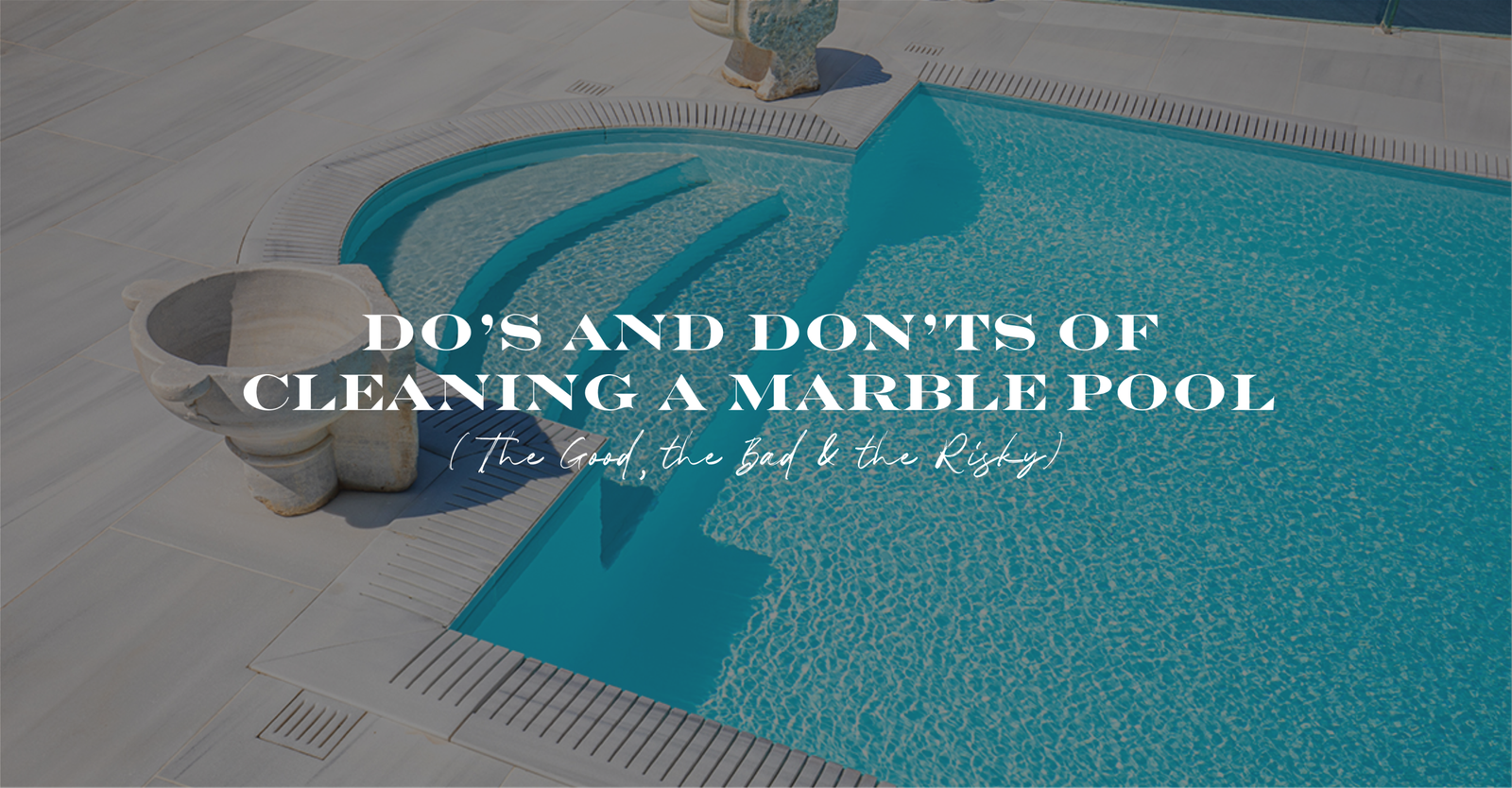
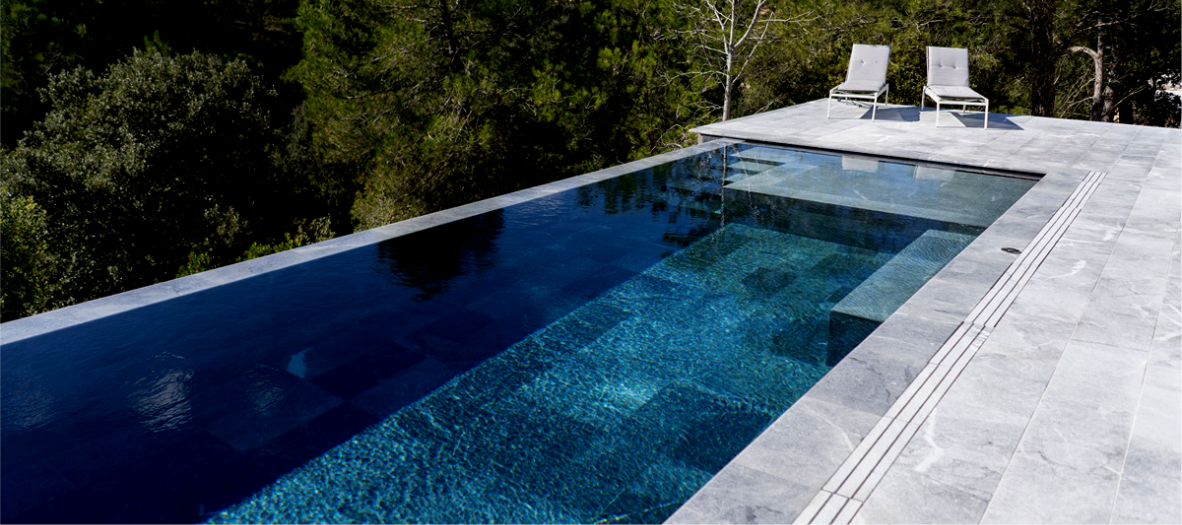
Marble is synonymous with luxury, elegance, and timeless beauty—especially when it graces the surfaces of swimming pools. Its smooth texture and refined appearance make it a popular choice for homeowners seeking to create a resort-like atmosphere. However, cleaning a marble pool isn’t as straightforward as scrubbing tiles or vacuuming a standard pool surface. Because marble is a natural stone, it demands a more thoughtful approach that preserves both its aesthetic and structural integrity.
While marble is naturally resistant to mold and mildew, neglect or improper care can dull its radiant finish or lead to irreversible damage. That’s why cleaning a marble pool requires not only consistency but also a deep understanding of which tools and chemicals are safe to use. Acidic cleaners, abrasive brushes, or overly harsh techniques can compromise the stone’s surface, leading to etching, staining, or discoloration over time.
Whether you already own a marble pool or are just beginning to explore the possibility of installing one, learning the correct methods for cleaning a marble pool is essential to protect your investment. In this guide, we’ll walk you through seven important do’s and don’ts—from gentle cleaning solutions to avoidable maintenance mistakes—so you can enjoy the beauty of your marble pool for years to come.
Table of Contents
1. Do Clean with Water and Mild Soap
Cleaning a marble pool doesn’t have to be complicated—marble is naturally low-maintenance when handled with the right touch. Most days, simply rinsing the stone with clean, fresh water will flush away dust, pollen, and stray leaves that drift in on the breeze. Start by turning off the pump, then use a soft garden-hose attachment or the lowest setting on a pressure washer to sweep water gently across the coping, steps, and waterline. This easy ritual minimizes mineral rings and keeps the surface glimmering between deeper maintenance sessions.
When a more thorough wash is needed—think sunscreen slicks after a busy weekend or faint tide marks at the waterline—reach for a mild, non-abrasive soap that’s clearly labeled safe for natural stone. Fill a bucket with warm water, add a small squirt of the soap, and dip a microfiber cloth or natural-bristle brush into the solution. Working in three-foot sections, lightly agitate the marble, staying mindful of grout lines and corners where grime likes to hide. Rinse each section as you go to prevent residue from drying on the surface. This patient, section-by-section method avoids streaks and ensures you don’t accidentally leave alkaline film behind.
The real danger lies in impatience. Harsh powders, acidic sprays, magic-eraser sponges, and stiff nylon brushes can all scuff or etch the stone, robbing it of its signature luster. Even products advertised as “all-purpose pool cleaners” may contain hidden acids or solvents that spell disaster for calcium-based materials. Remember: cleaning a marble pool with the wrong chemistry often looks successful in the moment, only to reveal cloudy patches or spider-web scratches once the water dries. When in doubt, test any new cleaner on a scrap tile or a discreet corner and inspect it under bright light before committing to the entire deck.
Consistency is the quiet hero of marble care. Instead of waiting for grime to build up—forcing you into aggressive scrubbing—schedule a gentle wipe-down every one to two weeks during swim season, and once a month in cooler months. Pair that routine with balanced water chemistry: keep pH between 7.2 and 7.6, calcium hardness in the 200–400 ppm range, and total alkalinity around 80–120 ppm. Stable water limits scale deposits and metal staining, cutting the need for corrective cleaners in the future.
Ultimately, cleaning a marble pool is less about heavy-duty products and more about mindful, regular attention. Soft cloths, pH-neutral solutions, and low water pressure will preserve the stone’s brilliance, protect its smooth texture, and let the marble’s natural veining remain the star of your backyard retreat year after year.
2. Don’t Use Conventional Commercial Cleaners
When cleaning a marble pool, the single most important factor is the type of cleaning products you choose. What works on tile, concrete, or fiberglass can be devastating to marble. Regular anti-limescale and descaling agents, often used to remove calcium build-up or hard water stains, might seem like a quick fix—but on marble, they can corrode the surface and eat away at its protective seal. Over time, this weakens the stone, dulls its natural shine, and exposes it to even more wear from the elements and pool chemicals.
The same level of caution should be applied to synthetic cleaners and bleach-based products. These formulas are often too aggressive for marble and can strip away the stone’s natural color, erode its polished finish, and leave behind a brittle or patchy surface that’s difficult—if not impossible—to restore. Even a single application of the wrong product can cause irreversible damage, such as etching (a chemical burn that leaves a dull, whitish mark), pitting, or cloudy discoloration that permanently reduces the stone’s visual appeal.
Because marble is a calcium carbonate-based stone, it is especially vulnerable to anything acidic or abrasive. The natural beauty of marble lies in its smooth surface, subtle veining, and reflective polish—all of which can be destroyed in moments by improper maintenance. That’s why cleaning a marble pool demands careful product selection. Only use pH-neutral, non-abrasive cleaners that are specifically formulated for use on natural stone. These products are designed to clean effectively while preserving the stone’s integrity and finish.
Make it a habit to read every product label thoroughly before applying anything to your marble pool’s surface. Look for specific indicators like “safe for marble,” “stone-safe,” or “natural stone cleaner.” Avoid any products that list vinegar, lemon, citric acid, sulfates, or bleach in the ingredients. When in doubt, contact the manufacturer or consult with a pool care professional who has experience with stone materials.
Taking the extra step to verify your cleaning solution will save you time, money, and frustration down the line. Ultimately, cleaning a marble pool should enhance the natural beauty of the stone—not compromise it. By investing in the right products and maintaining a consistent, gentle cleaning routine, you’ll protect your marble from damage and ensure it remains a luxurious focal point for years to come.
3. Do Clean Up Spills Immediately
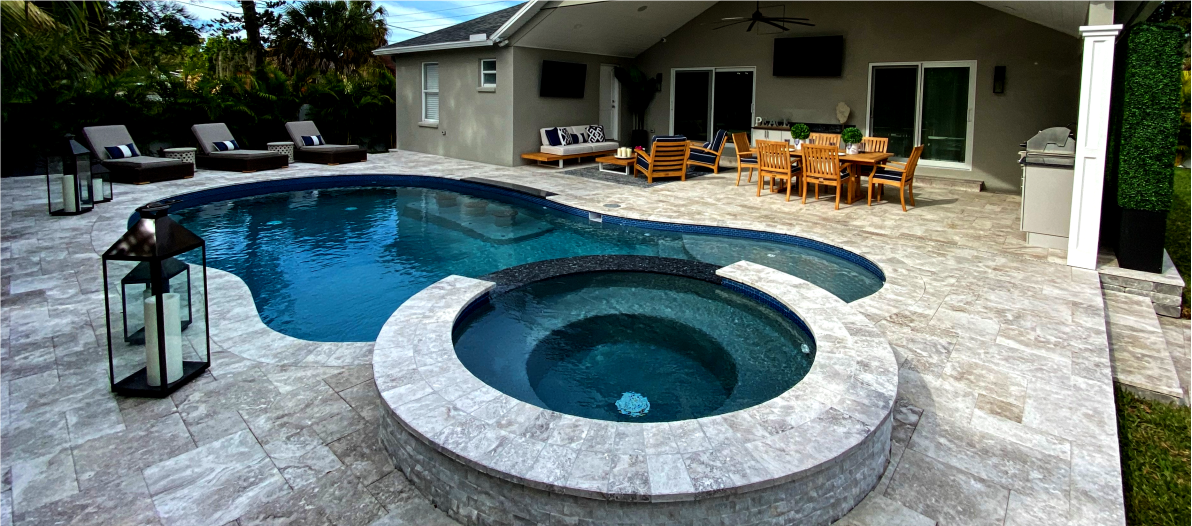
While marble may look sleek, flawless, and impervious, it’s important to remember that it’s a porous natural stone—which means it can absorb liquids far more easily than it appears. This natural porosity makes marble particularly vulnerable to stains, especially from common poolside culprits like wine, juice, coffee, tea, soda, or even oily snacks. These liquids can seep beneath the surface in seconds, leading to deep, sometimes permanent discoloration if not addressed right away. That’s why one of the most essential habits to develop when cleaning a marble pool is reacting to spills immediately.
Whether the marble surrounds your pool deck, steps, coping, or patio seating area, prevention starts with vigilance. As soon as a spill occurs, reach for a soft, slightly damp cloth and blot—don’t rub—the area. Rubbing can force the liquid deeper into the stone’s pores and spread the stain. Blotting, on the other hand, lifts the liquid gently and minimizes penetration. Keep microfiber towels or clean white cloths readily available around your pool area to make this step as seamless as possible.
It’s easy to focus on just the interior of the pool when thinking about maintenance, but cleaning a marble pool involves more than the waterline or floor—it includes all the beautiful marble elements that frame the space. Coping edges, walkways, outdoor kitchen counters, and seating areas all require attention, especially during gatherings when the risk of accidental spills is higher. Applying a high-quality marble sealer periodically can add a layer of protection, but it’s no substitute for immediate care.
Ultimately, the most effective strategy for cleaning a marble pool is preventive, not reactive. A gentle, proactive approach will help you avoid the need for aggressive stain removal or costly professional restoration. Regular inspections, quick cleanups, and the right tools will preserve the natural charm and elegance of your marble, keeping it vibrant and inviting for years to come.
4. Don’t Use Vinegar or Acid-Based Cleaners
One of the most common—and damaging—mistakes people make when cleaning a marble pool is turning to vinegar as a natural cleaning solution. Vinegar is often praised for its eco-friendliness and effectiveness in breaking down grime, soap scum, and mineral buildup on many surfaces. However, what works wonders on tile or glass can be disastrous for marble. Vinegar is a highly acidic substance, and even small amounts can corrode marble’s surface, strip away its natural polish, and leave behind permanent etching that dulls the stone’s luxurious appearance.
Because marble is a calcium carbonate-based material, it reacts quickly and negatively to acidic substances, even those that seem harmless or organic. Just a splash of vinegar, lemon juice, or another acidic liquid can break down the top layer of the stone, leaving behind a rough, cloudy, or pitted finish that’s almost impossible to reverse without costly professional restoration. This is why cleaning a marble pool demands a more informed, cautious approach—especially when it comes to using household or DIY cleaning remedies.
It’s not just vinegar you should avoid. Many multipurpose cleaners marketed as “natural” or “safe for all surfaces” often contain hidden acids or solvents that can harm marble. When cleaning a marble pool, always use pH-neutral products that are specifically labeled safe for natural stone. These formulas are designed to clean effectively without compromising the stone’s delicate composition. They’re gentle on the surface, prevent etching, and maintain the soft glow and veining that make marble such a sought-after material.
Proper care isn’t about how strong your cleaner is—it’s about how well it preserves the stone’s integrity. By avoiding acidic products like vinegar and choosing solutions tailored to marble’s unique needs, you ensure that cleaning a marble pool enhances rather than diminishes its beauty. In the long run, this thoughtful approach protects your investment and keeps your poolscape looking timeless and pristine.
5. Do Use Baking Soda for Stains
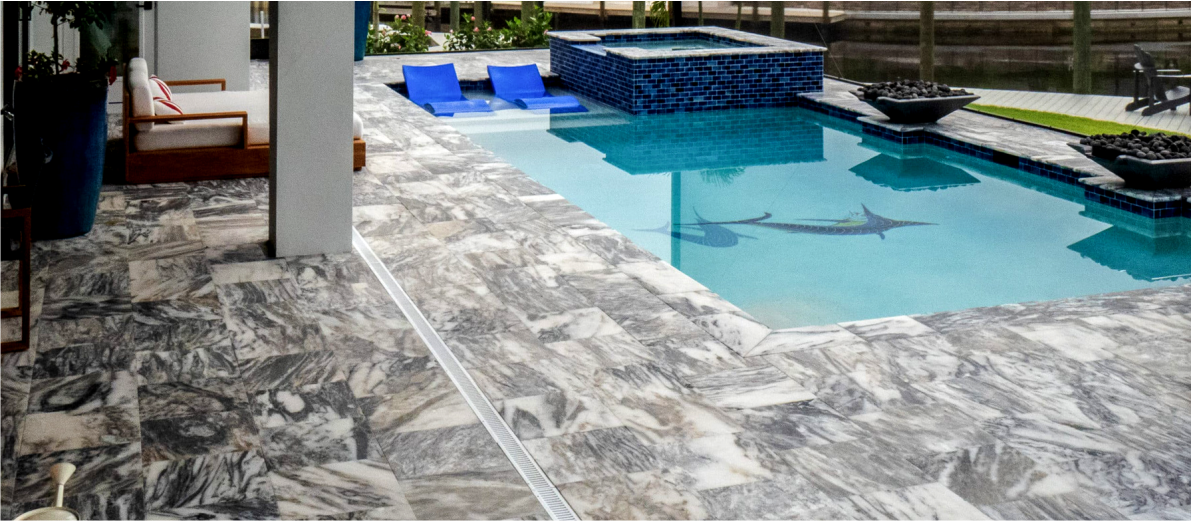
Got a stubborn stain that just won’t budge? Don’t panic—and don’t reach for harsh, acidic chemicals that could ruin your marble. When cleaning a marble pool, one of the safest and most effective methods for dealing with tough spots is using baking soda. As a mild alkaline compound, baking soda offers just enough cleaning power to lift deep stains without scratching, corroding, or dulling the surface. It’s gentle on the stone but tough on discoloration, making it an ideal choice for preserving marble’s integrity.
To use this method, start by mixing baking soda with a small amount of clean water until it forms a smooth, creamy paste—thick enough to stay in place. Apply the paste generously over the stain and cover it with plastic wrap to help retain moisture. This keeps the paste active and prevents it from drying out too quickly. Let it sit undisturbed for at least 24 hours. During this time, the baking soda acts as a natural poultice, slowly drawing out the stain from the marble’s porous surface.
After the waiting period, gently remove the plastic and wipe away the paste with a soft, damp microfiber cloth. You may need to repeat the process for older or deeper stains, but even one application often produces noticeable improvement. Unlike many store-bought stain removers, this DIY solution won’t compromise the stone’s polish or structure.
This baking soda method is especially useful for organic stains—like those caused by leaves, coffee, wine, sunscreen, or even food spills—that often occur around poolside dining or lounging areas. It’s a perfect example of how cleaning a marble pool doesn’t have to involve risky chemicals or abrasive scrubbing. Instead, it’s about choosing gentle, effective techniques that protect the long-term beauty and value of your marble features.
With patience and the right approach, cleaning a marble pool becomes less about damage control and more about smart, preventive care—keeping your poolside surfaces looking clean, smooth, and timeless for years to come.
6. Do Use Hydrogen Peroxide for Light-Colored Marble
When cleaning a marble pool, particularly one with light-colored copings, pavers, or surrounding tiles, hydrogen peroxide can be a valuable ally in your maintenance toolkit. This mild oxidizing agent is especially effective for removing organic stains—such as those caused by mildew, algae, leaf residue, or bird droppings—that are common in outdoor environments. Unlike bleach or other aggressive cleaners, hydrogen peroxide works gently, lifting stains from the stone without compromising the structural integrity of the marble.
To use it, apply a small amount of hydrogen peroxide directly to the stained area using a soft cloth or sponge. Let it sit for several minutes to allow the peroxide to break down the organic material. Afterward, rinse the area thoroughly with clean water and wipe dry with a non-abrasive cloth. This method can be surprisingly effective at restoring the bright, clean appearance of light-toned marble surfaces around your pool.
However, it’s crucial to exercise caution. Hydrogen peroxide is best suited for light-colored marble—on darker stones, it can cause uneven lightening or visible discoloration, which may permanently alter the marble’s natural veining and tone. Before applying it broadly, always perform a spot test in an inconspicuous area to check for any adverse reaction. What works well on one type of marble may not be appropriate for another.
Because marble is a sensitive, calcium-based stone, every product you use while cleaning a marble pool should be chosen with care. While hydrogen peroxide can be part of your maintenance routine, it should be used sparingly and only when absolutely necessary. For regular upkeep, stick with pH-neutral cleaners specifically formulated for natural stone to avoid cumulative damage over time.
Ultimately, cleaning a marble pool is about balancing effectiveness with preservation. If you’re unsure whether hydrogen peroxide is safe for your particular marble finish, it’s always wise to consult with a stone care professional or opt for a commercial cleaner labeled safe for marble. By staying informed and cautious, you’ll keep your poolside marble surfaces in pristine condition for years to come.
7. Don’t Skip the Label Check on Stain Removers
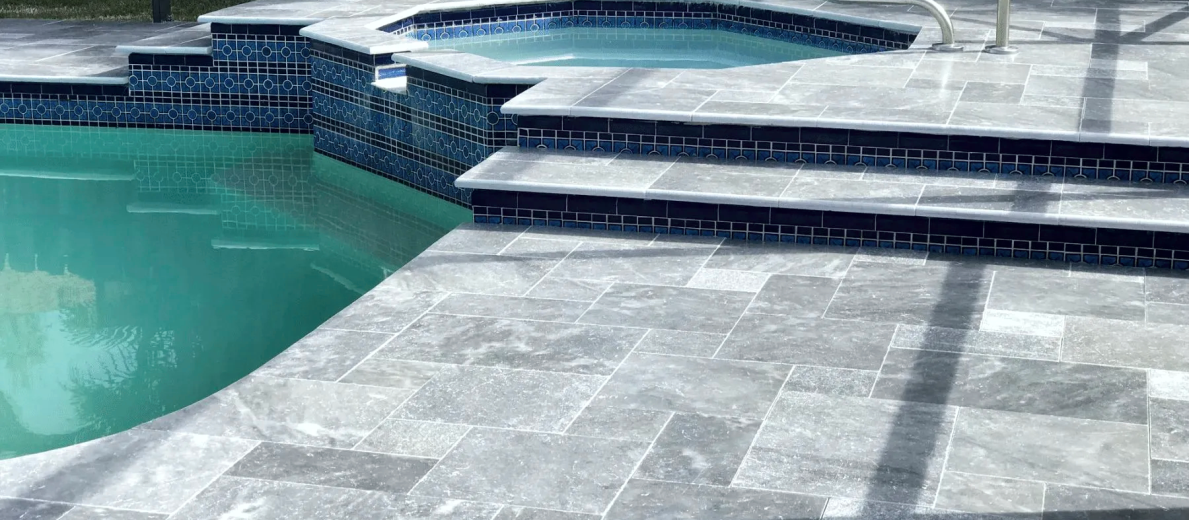
If you decide to use a commercial stain remover while cleaning a marble pool, it’s absolutely essential to select a product that is specifically designed for use on marble or other natural stone surfaces. Although many all-purpose cleaners may seem safe or even gentle, they often contain hidden ingredients—like acids, ammonia, or alkaline agents—that can severely damage marble. These harsh chemicals may etch the surface, strip away the protective seal, dull the polished finish, or cause uneven discoloration that’s difficult and costly to reverse.
Marble, being a calcium-based material, reacts poorly to acidic or chemically reactive substances. This is especially true for polished or honed marble surfaces commonly used in pool coping, decks, and waterline tiles, where the finish plays a major role in the stone’s luxurious appearance. When cleaning a marble pool, even one misguided product application can compromise the entire aesthetic, leading to permanent surface imperfections or weakened structure over time.
To avoid these issues, always read product labels carefully before use. Look for cleaners that clearly state they are “safe for marble” or “formulated for natural stone.” But don’t stop there—no matter how trustworthy the label appears, always perform a spot test in an inconspicuous area. This simple step gives you a chance to observe any adverse reaction before applying the cleaner to more visible sections of your pool.
When cleaning a marble pool, using the right products isn’t just a recommendation—it’s a key part of protecting your investment. The wrong cleaner can cause irreversible damage, while the right one enhances the natural beauty and longevity of the stone. Stick to marble-safe commercial solutions, use them according to manufacturer instructions, and take time to test before widespread application. These small but important steps ensure that your efforts lead to spotless, beautiful results without putting your marble at risk.
Final Thoughts on Cleaning a Marble Pool
Your marble pool is more than just a refreshing retreat—it’s a statement of luxury, craftsmanship, and timeless design. From its smooth surfaces to its elegant veining, marble brings an unmatched level of sophistication to your outdoor space. But to protect that investment and preserve its stunning appearance, consistent care is essential. Marble, while durable, is also delicate in its own right—susceptible to staining, etching, and discoloration if not properly maintained. That’s why understanding the essential do’s and don’ts of cleaning a marble pool isn’t just helpful—it’s absolutely necessary.
With a thoughtful approach, the process doesn’t have to be complicated. Armed with the right techniques, pH-neutral products, and a regular maintenance schedule, cleaning a marble pool becomes a simple but powerful way to ensure its longevity. Small daily or weekly actions—like rinsing debris, gently blotting spills, or avoiding harsh cleaners—can make a significant difference over time. These habits help preserve not only the stone’s structural integrity but also the brilliant finish and refined aesthetic that make marble so special.
Remember, when it comes to cleaning a marble pool, prevention is always better than repair. Taking a proactive stance—using only marble-safe products, addressing stains immediately, and consulting professionals when needed—ensures your pool remains the luxurious focal point of your property. Treat it with care, and it will continue to deliver beauty, function, and sophistication for generations to come.
Drop by our showroom to see our stunning collection:
Tampa, FL , St Petersburg, FL , Orlando, FL , Naples, FL , Sarasota, FL, Fort Myers, FL , Jacksonville, FL , Houston, TX and Savannah, GA