
Blog
7 Reasons Why Wood Porcelain Tiles Are the Best Alternative to Real Wood Flooring

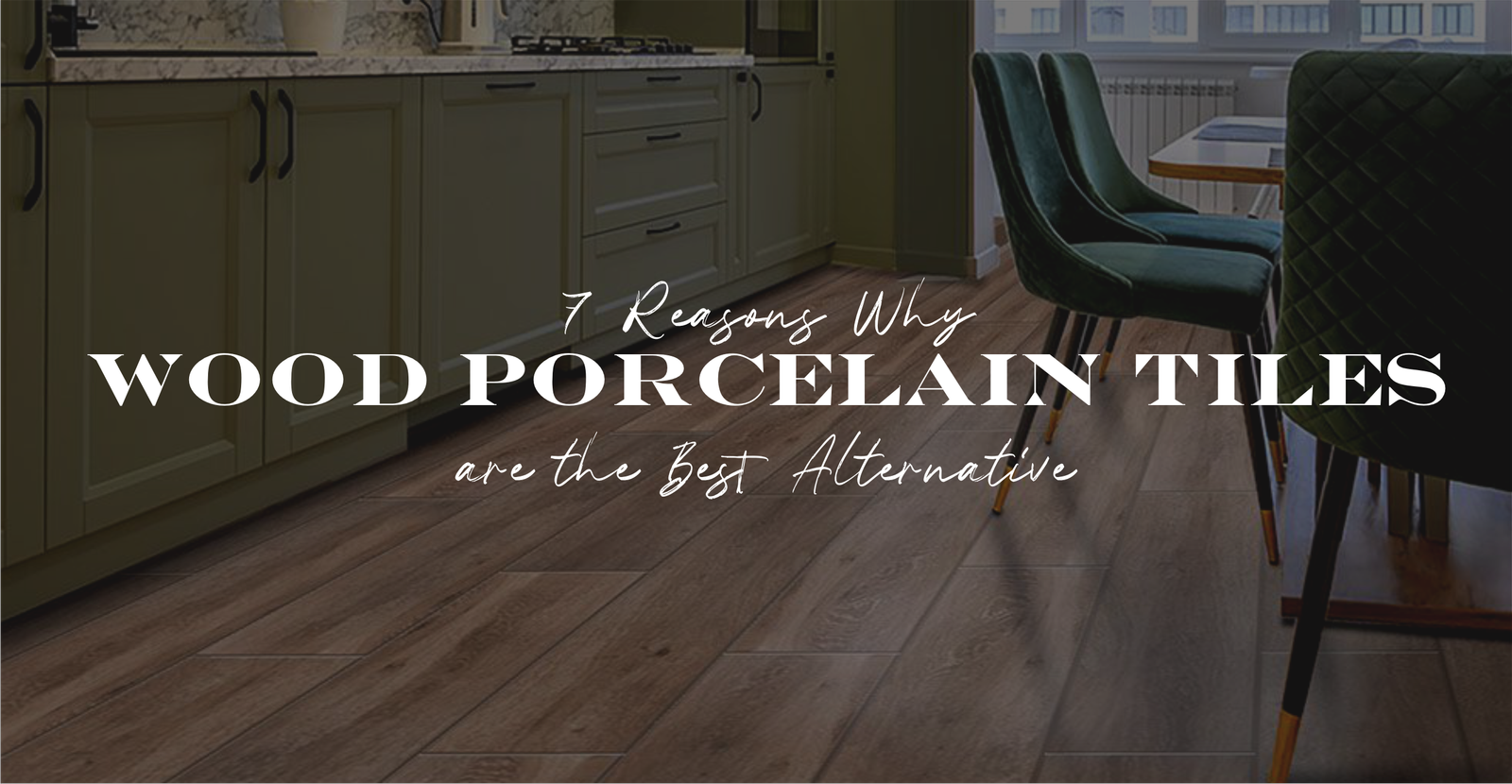
Gone are the days when hardwood floors were the only go-to option for achieving a cozy, refined, and timeless interior. As design trends evolve and homeowners seek more practical solutions, a new favorite has taken center stage—an option that blends elegance with durability and modern performance. Today, wood porcelain tiles stand out as a highly attractive alternative, capturing the beauty and warmth of traditional wood flooring while eliminating many of its common disadvantages, such as high maintenance, susceptibility to moisture, and higher costs.
In this in-depth guide, we’ll explore the wide range of benefits that come with choosing wood look porcelain tiles, break down how they compare to natural hardwood flooring, and help you determine which option is best suited to your style, budget, and lifestyle needs.
Table of Contents
What Are Wood Porcelain Tiles?
Wood porcelain tiles are expertly crafted ceramic tiles made from fine, purified clay that is kiln-fired at exceptionally high temperatures. This process results in a dense, durable material that can easily withstand daily wear and tear. What makes these tiles particularly appealing is their highly detailed wood grain surface, which authentically replicates the look and texture of natural hardwood—delivering the same warmth and charm without the challenges that come with real wood.
Beyond their impressive strength and long lifespan, these tiles offer remarkable versatility. Available in an expansive range of colors, textures, finishes, and dimensions, wood porcelain tiles can complement virtually any interior style. Whether you’re aiming for a cozy, rustic farmhouse atmosphere or prefer a clean, minimalist modern aesthetic, there’s a design to match your vision perfectly. Their adaptability makes them a go-to choice for designers and homeowners looking to blend timeless style with everyday functionality.

Wood Porcelain Tiles vs. Real Wood: A Head-to-Head Comparison
1. Durability
- When evaluating flooring options for longevity and resilience, wood porcelain tiles consistently rise to the top. Thanks to their dense composition and high-temperature manufacturing process, these tiles are built to withstand the demands of busy households and commercial environments alike. They’re highly resistant to scratches, chips, and dents, making them ideal for spaces that experience constant foot traffic, heavy furniture, or the daily chaos that comes with kids and pets. Moisture is also no match for them—whether it’s spilled drinks, muddy shoes, or bathroom humidity, these tiles won’t warp or stain over time.
- Real wood, while prized for its natural beauty and warmth, simply doesn’t offer the same level of toughness. Hardwood floors are more susceptible to surface damage from sharp objects, pet claws, and high heels. Exposure to moisture or humidity can lead to swelling, warping, or mold issues—especially in areas like kitchens, bathrooms, or basements. Over time, real wood typically requires refinishing, sanding, or even plank replacement to maintain its original charm, which adds both labor and cost to its upkeep. For homeowners who want peace of mind and long-lasting performance, wood porcelain tiles offer a durable, low-maintenance alternative that stands strong against the wear and tear of everyday life.
2. Appearance
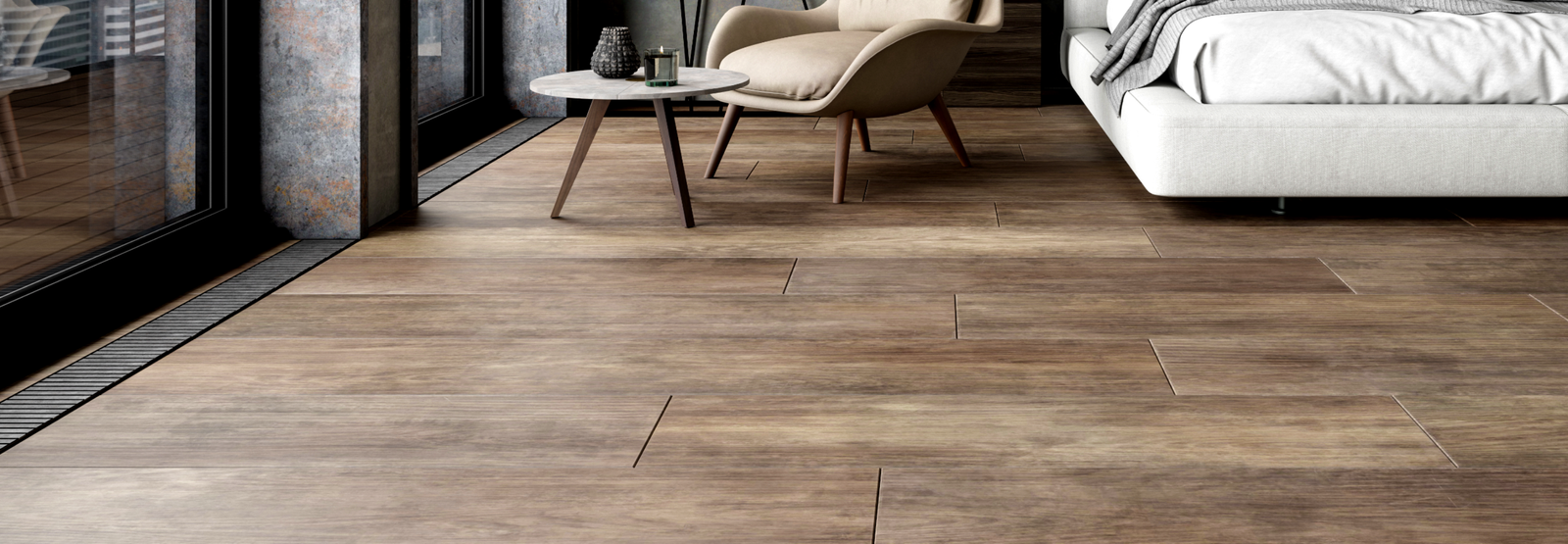
- Thanks to incredible advancements in digital printing technology, wood porcelain tiles now replicate the fine details and natural beauty of real wood with astonishing accuracy. From the intricate grains and unique knots to the subtle textures that make each piece of wood flooring distinct, these tiles capture the essence of hardwood. The high-definition printing process ensures that wood porcelain tiles resemble real wood so closely that it’s often difficult to tell them apart, giving homeowners all the visual appeal of traditional hardwood flooring without the associated drawbacks.
- While real wood also offers natural variation and individuality, it lacks the versatility that wood porcelain tiles bring to the table. Natural wood has its own charm, but it’s limited in terms of available designs, textures, and finishes. On the other hand, wood-look tiles come in a vast array of colors, styles, and finishes, providing homeowners with the flexibility to create custom patterns, textures, and even color palettes that match any design vision. Whether you’re looking for a rich, rustic feel or a sleek, contemporary vibe, wood porcelain tiles offer virtually endless design possibilities that real wood simply cannot.
3. Maintenance
- One of the standout features of wood porcelain tiles is their incredibly low-maintenance nature. These tiles are easy to clean and require minimal effort to keep looking their best. Unlike real wood, which demands regular upkeep, wood porcelain tiles do not need special treatments, polishes, or refinishing to maintain their beauty. A simple routine of sweeping, mopping, and occasional spot cleaning is usually all it takes to preserve their appearance for years to come. This makes them an ideal choice for busy homeowners or those who don’t want to spend time and money on constant floor maintenance.
- In stark contrast, real wood floors require much more attention to keep them in top condition. Over time, wood floors need to be sanded and refinished to restore their surface and prevent wear and tear from daily use. Additionally, wood floors must be sealed periodically to protect against moisture, which can cause swelling, warping, or even rot if left unprotected. Moreover, they are more vulnerable to damage from pests, such as termites, which can cause irreparable harm. Regular maintenance and protection from these factors add to both the time and cost of owning real wood flooring.
- For those seeking a more worry-free option, wood porcelain tiles offer a practical, low-maintenance solution that keeps your floors looking flawless with minimal effort.
4. Water Resistance
- One of the key advantages of wood porcelain tiles is their impressive water resistance. These tiles are almost entirely non-porous, meaning they don’t absorb moisture like other materials do. This makes them an excellent choice for moisture-prone areas such as kitchens, bathrooms, and even outdoor spaces like patios and poolside areas. Whether you’re dealing with spilled drinks, steam from showers, or humidity in damp areas, wood porcelain tiles won’t warp, swell, or suffer long-term damage. Their water-resistant nature ensures that they retain their integrity and appearance for years, even in the most challenging environments.
- In contrast, real wood flooring is much more susceptible to moisture. Wood is a natural material, and it can absorb liquids if not properly sealed or maintained. Even with periodic sealing, water exposure over time can lead to significant issues, including warping, buckling, and even mold growth. In areas like bathrooms or kitchens where spills and humidity are common, real wood may require frequent maintenance or risk permanent damage. For homeowners looking for the beauty of wood but without the vulnerability to water, wood porcelain tiles provide a far more durable and practical alternative.
5. Eco-Friendliness
- A significant benefit of wood porcelain tiles is their eco-friendliness. Many of these tiles are made from recyclable materials, which makes them a more sustainable flooring option compared to natural wood. The manufacturing process of porcelain tiles often involves using raw materials that can be recycled or repurposed, which helps to reduce waste and lessen the environmental impact. Additionally, wood porcelain tiles have a long lifespan, which means they don’t need to be replaced as often as other flooring options, further reducing the need for new resources and minimizing waste.
- On the other hand, harvesting real wood flooring contributes directly to deforestation and the depletion of natural forests, which is a significant environmental concern. While some manufacturers do source wood from sustainable forests, the demand for hardwood flooring still puts considerable pressure on the world’s forests. In many cases, the environmental cost of harvesting and transporting wood can be quite high, especially in regions where deforestation is a major issue. As the global need for more sustainable solutions grows, wood porcelain tiles offer a responsible alternative that doesn’t sacrifice aesthetics for environmental impact.
6. Installation
- Another significant advantage of wood porcelain tiles is their ease of installation. These tiles are relatively straightforward to install and can be placed over a variety of subfloors, including concrete, plywood, and even existing flooring in some cases. Whether you opt for traditional mortar installation or a more modern click-lock system, wood porcelain tiles offer flexibility that makes them ideal for DIY enthusiasts and professional installers alike. Their versatility reduces the need for extensive preparation and makes installation quicker and more cost-effective compared to other flooring options.
- In comparison, real wood flooring—especially solid hardwood—often requires a more complex installation process. For solid wood, subfloor preparation and acclimation are critical steps, as the wood must adjust to the room’s temperature and humidity before installation. The planks must be nailed or stapled down, which can take considerable time and effort, especially in larger rooms. Additionally, certain wood flooring types may require professional installation to ensure the planks are securely fastened and aligned. This complexity not only increases the cost of installation but also extends the time needed to complete the project.
- For those looking to simplify their renovation or building projects, wood porcelain tiles offer a more efficient, hassle-free option that doesn’t sacrifice beauty or quality.
7. Budget
- One of the most compelling reasons homeowners are turning to wood porcelain tiles is the significant cost savings they offer. These tiles deliver the luxurious aesthetic of hardwood flooring but at a fraction of the cost. Whether you’re on a tight budget or simply looking for a more affordable alternative, wood porcelain tiles provide an excellent way to achieve the high-end look of natural wood without the hefty price tag. Their affordable price point allows homeowners to enjoy a beautiful, durable flooring solution without stretching their budget.
- In contrast, real wood flooring can be considerably more expensive—both in terms of initial installation and ongoing maintenance. The cost of high-quality hardwood, especially premium types like oak, cherry, or walnut, can quickly add up, particularly if you’re covering a large area. Additionally, real wood floors require regular maintenance, such as refinishing, sanding, and sealing, all of which contribute to the long-term costs of owning hardwood. Over time, these ongoing expenses can make real wood a much pricier investment compared to wood porcelain tiles, which require little to no maintenance beyond routine cleaning.
- For those who want the look of hardwood without breaking the bank, wood porcelain tiles are a smart and cost-effective choice.
Quick Comparison Table
| Feature | Wood Porcelain Tiles | Real Wood Flooring |
|---|---|---|
| Durability | Highly resistant to scratches and dents | Susceptible to wear and damage |
| Maintenance | Low maintenance | Requires regular upkeep |
| Water Resistance | Waterproof, ideal for moisture-prone areas | Vulnerable to water damage |
| Design Options | Endless styles, colors, and finishes | Limited to natural wood variations |
| Installation | Easy and quick | More labor-intensive |
| Eco-Friendly | Often made from recycled materials | Can contribute to deforestation |
| Cost | Budget-friendly | High initial and maintenance costs |
Why Choose Wood Porcelain Tiles?
If you’re searching for a flooring solution that combines style, durability, and affordability, wood porcelain tiles are undoubtedly the clear winner. These tiles seamlessly merge the timeless, natural beauty of hardwood with the durability and low-maintenance benefits of tile, giving you the best of both worlds. Whether you’re renovating an entire home or simply upgrading a single room, wood porcelain tiles offer a practical and visually appealing option that will stand the test of time.
Thanks to their versatility, wood porcelain tiles are suitable for virtually every room in the house. Their robust, water-resistant nature makes them ideal for spaces that require a combination of aesthetics and functionality. Some of the most popular areas where these tiles shine include:
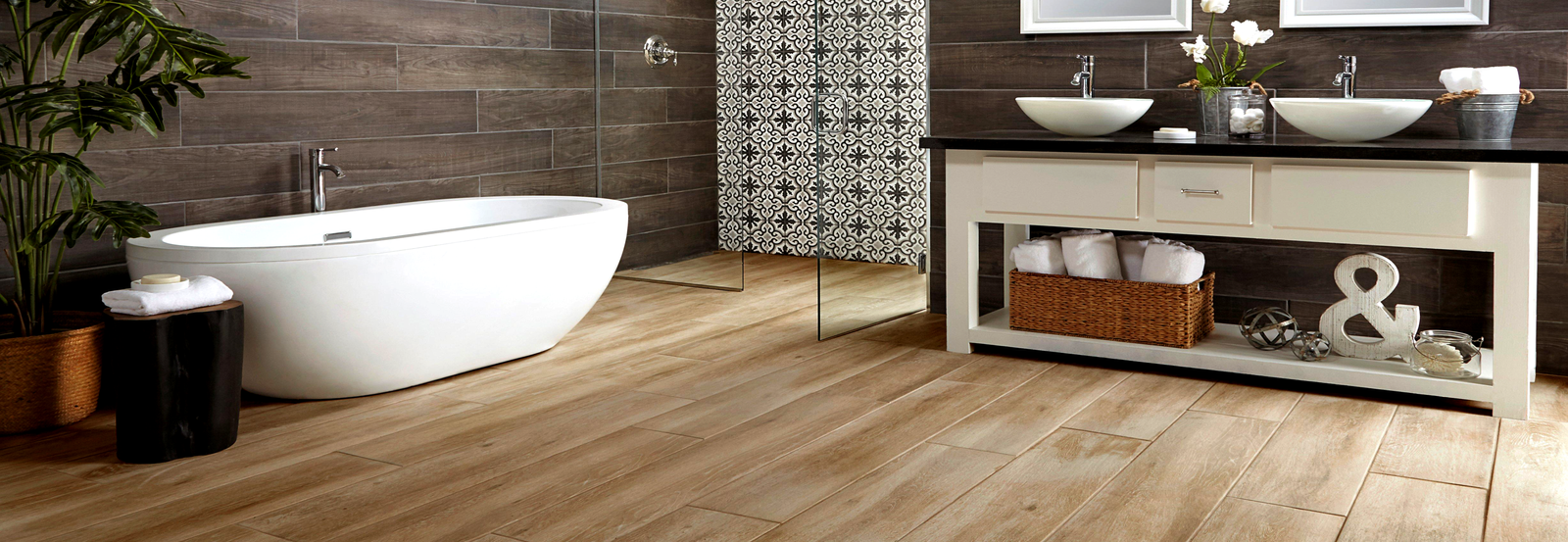
- Bathrooms: With their waterproof qualities, wood porcelain tiles are perfect for wet areas like bathrooms, providing a warm, inviting look without the worry of water damage.
- Kitchens: High-traffic areas like kitchens benefit from the scratch-resistant and moisture-resistant properties of wood porcelain tiles, ensuring that they stay looking beautiful even in the busiest of spaces.
- Bedrooms: Create a cozy, calming atmosphere with the elegant charm of wood porcelain tiles in your bedroom. They’ll provide a serene, comfortable feel with less maintenance than hardwood.
- Living Rooms: For a timeless, sophisticated aesthetic in your living room, wood porcelain tiles offer the natural beauty of wood with the resilience to handle daily activities without concern.
- Outdoor Patios: Extend the beauty of wood look to your outdoor living spaces. Wood porcelain tiles are perfect for patios, offering a stylish yet durable flooring option that can withstand the elements.
No matter where you decide to install them, wood porcelain tiles provide unmatched versatility and lasting beauty, making them an excellent choice for any home.
Frequently Asked Questions (FAQ)
Q1: Are Wood Porcelain Tiles Waterproof?
Yes, wood porcelain tiles are highly waterproof, making them one of the best options for moisture-prone areas. Porcelain is a naturally dense and non-porous material, which means it doesn’t absorb water the way wood or other flooring types might. This remarkable water resistance makes wood porcelain tiles an excellent choice for spaces like bathrooms, kitchens, laundry rooms, and even outdoor patios. Whether you’re dealing with spilled liquids, humidity, or even standing water, these tiles won’t swell, warp, or stain, ensuring your floors remain pristine for years.
The waterproof nature of wood porcelain tiles also means that they are incredibly easy to clean and maintain. Unlike hardwood floors, which can be damaged by moisture, wood porcelain tiles can be mopped and cleaned without the worry of water seeping into the material. This makes them a practical and worry-free flooring option for households with children, pets, or high-traffic areas prone to spills and accidents.
In addition to their water resistance, wood porcelain tiles also excel at resisting mold and mildew, further enhancing their suitability for spaces exposed to moisture. So, if you’re looking for the look of hardwood with the added benefit of a waterproof, low-maintenance solution, wood porcelain tiles are a perfect choice.
Q2: Will Wood Look Tiles Scratch or Fade Over Time?
Not easily! Wood porcelain tiles are specifically engineered to be incredibly durable, resisting scratches, fading, and signs of wear even in high-traffic areas. Thanks to the strength of porcelain and advanced manufacturing techniques, these tiles are designed to withstand daily use without compromising their appearance. The surface of wood porcelain tiles is highly resistant to scratches caused by furniture, pet claws, and foot traffic, making them ideal for busy households, commercial spaces, and homes with pets or young children.
Unlike real wood, which can be prone to scratching and fading from exposure to sunlight or wear, wood porcelain tilesmaintain their look for years with minimal effort. The tiles are fired at high temperatures, which gives them their exceptional durability and resistance to fading. Whether it’s the color or the wood grain design, you won’t need to worry about them losing their vibrancy over time.
Furthermore, because wood porcelain tiles are virtually maintenance-free, they retain their beauty without the need for refinishing or special protective treatments. This makes them a low-maintenance option that continues to look stunning, even in spaces subjected to heavy foot traffic or environmental exposure.
So, if you’re looking for a floor that combines the beauty of wood with long-lasting durability, wood porcelain tiles are a smart investment that won’t easily scratch or fade over time.
Q3: Can I Use Wood Porcelain Tiles Outdoors?
Absolutely! Wood porcelain tiles are an excellent choice for outdoor spaces, thanks to their exceptional water resistance, durability, and versatility. These tiles are designed to withstand the elements, making them ideal for areas like patios, outdoor kitchens, pool decks, and even balconies. Their non-porous surface means they won’t absorb moisture, which prevents issues like swelling or warping — problems that can occur with real wood in outdoor environments.
The durability of wood porcelain tiles allows them to resist fading from sun exposure, unlike natural wood, which can discolor or degrade over time. They are also resistant to mold, mildew, and staining, making them perfect for outdoor settings that experience fluctuating temperatures, humidity, and exposure to dirt or spills.
Because wood porcelain tiles are available in a wide range of colors and styles, you can create a variety of looks, from a rustic wood effect to a sleek, contemporary design, all while enjoying the long-lasting, low-maintenance benefits of porcelain. Whether you’re designing a relaxing patio retreat, creating an elegant poolside area, or adding warmth to an outdoor dining space, wood porcelain tiles offer a practical, beautiful solution that will continue to perform well for years to come.
Final Thoughts
While real wood flooring undeniably has a classic appeal, wood porcelain tiles offer unmatched durability, style flexibility, and long-term value. They’re not only easier to maintain and eco-friendlier, but they’re also far more suited to the demands of modern living. With wood porcelain tiles, you get the timeless, sophisticated look of wood combined with the practicality and resilience of porcelain, making them a superior choice for both aesthetic and functional purposes.
Whether you’re remodeling your home or designing a new space, wood porcelain tiles should be at the top of your flooring list. They offer a versatile design that works seamlessly with a variety of interior styles, from rustic farmhouse to sleek, contemporary designs. The best part? They are incredibly low-maintenance, resistant to scratches, moisture, and fading, which makes them an ideal flooring option for high-traffic areas and homes with children or pets.
In fact, the only flooring materials that can truly compete with wood porcelain tiles in terms of luxury and durability are materials like marble and travertine tiles. While marble and travertine are renowned for their beauty and elegance, wood porcelain tiles offer similar sophisticated looks with even more resilience. Marble and travertine can be prone to scratching, staining, and require more maintenance to keep their surfaces pristine. Wood porcelain tiles, on the other hand, combine the same visual appeal but with superior durability, making them more practical for everyday use.
Moreover, marble and travertine tend to be more expensive than wood porcelain tiles, both in terms of upfront costs and the need for ongoing care. These natural stones can also be slippery when wet, whereas wood porcelain tiles offer greater slip resistance, especially in bathrooms and kitchens. The versatility of wood porcelain tiles in mimicking natural wood patterns, while also providing the resilience of porcelain, makes them a compelling choice for those seeking elegance and practicality without the hefty price tag of marble or travertine.
Ultimately, if you’re looking for a floor that combines timeless style with exceptional performance, wood porcelain tiles are the clear winner —if you don’t have the budget for Marble or Travertine — offering long-term value, style flexibility, and the durability needed to withstand the demands of modern living.
Drop by our showroom to see our stunning collection:
Tampa, FL , St Petersburg, FL , Orlando, FL , Naples, FL , Sarasota, FL, Fort Myers, FL , Jacksonville, FL , Houston, TX and Savannah, GA