Blog
5 Stunning Truths About Natural Stone Color Variation (And 1 Drawback You Should Know)

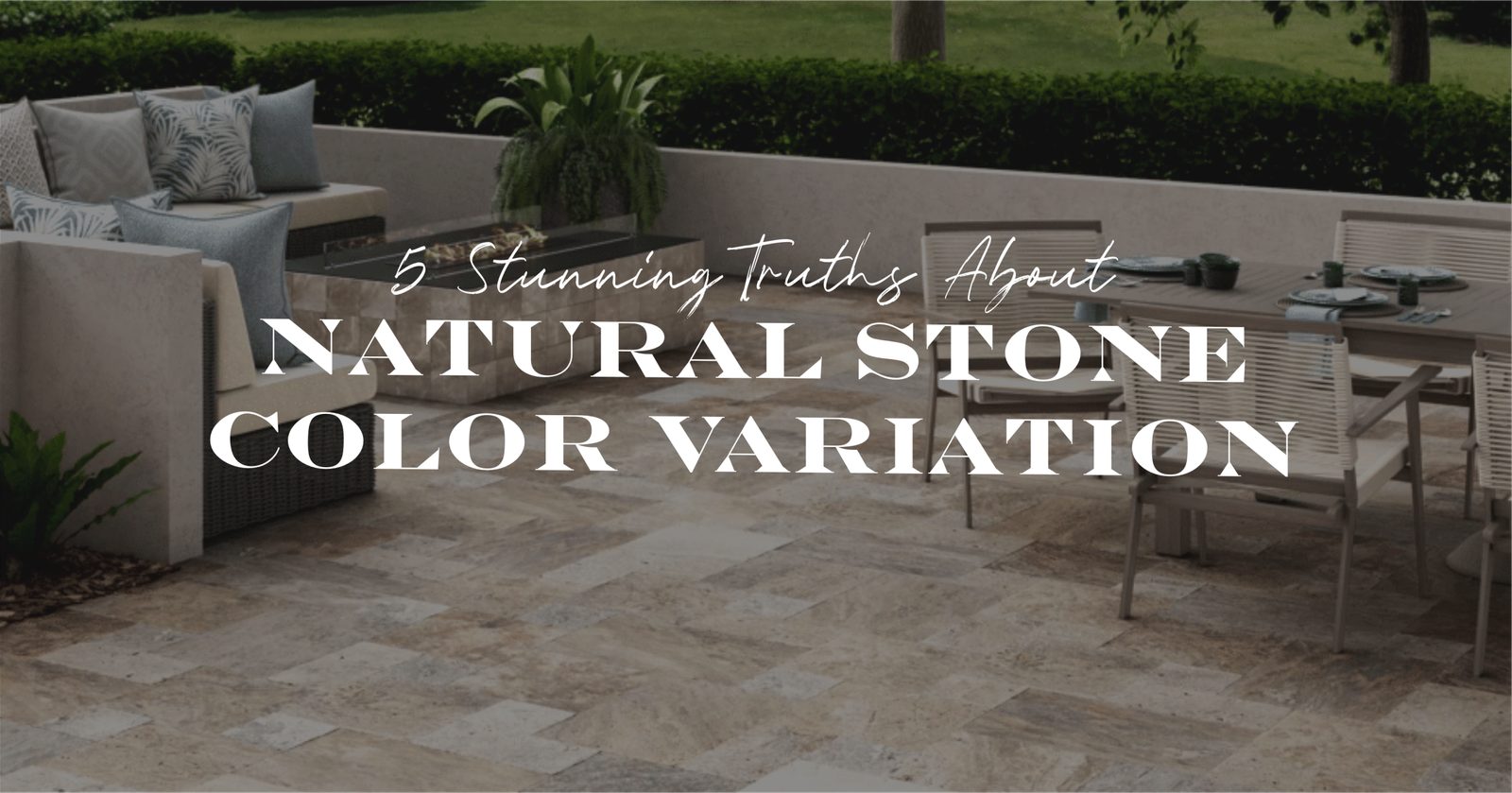
When people picture natural stone, they often imagine a smooth, consistent surface—something uniform and predictable. It’s an understandable assumption, especially in a world filled with mass-produced materials that are engineered to look exactly the same from one piece to the next. But here’s a surprising and often overlooked fact: natural stone color variation is actually one of the material’s most distinctive—and most misunderstood—features.
Rather than offering perfect repetition, natural stone celebrates diversity. From gentle tonal differences that subtly shift across a room to bold, dramatic swirls of contrasting color, each tile or paver tells a story written by the Earth itself. These differences are not defects—they’re a direct result of how the stone formed over thousands of years under varying natural conditions like pressure, temperature, and mineral content.
No two pieces are ever truly alike, and that’s part of what gives natural stone its enduring beauty and timeless charm. It’s not just a surface—it’s a living, breathing part of the design that adds warmth, texture, and a sense of authenticity to any space. But this uniqueness also comes with a learning curve. If you’re not aware of what to expect, the variation can feel surprising or even overwhelming.
That’s why I’ve gathered 5 stunning truths about natural stone color variation, along with one important drawback to keep in mind. Whether you’re a homeowner, designer, or contractor, understanding these characteristics will help you make the most informed—and inspired—choice for your next project.
Table of Contents
1. Every Piece Is Truly Unique
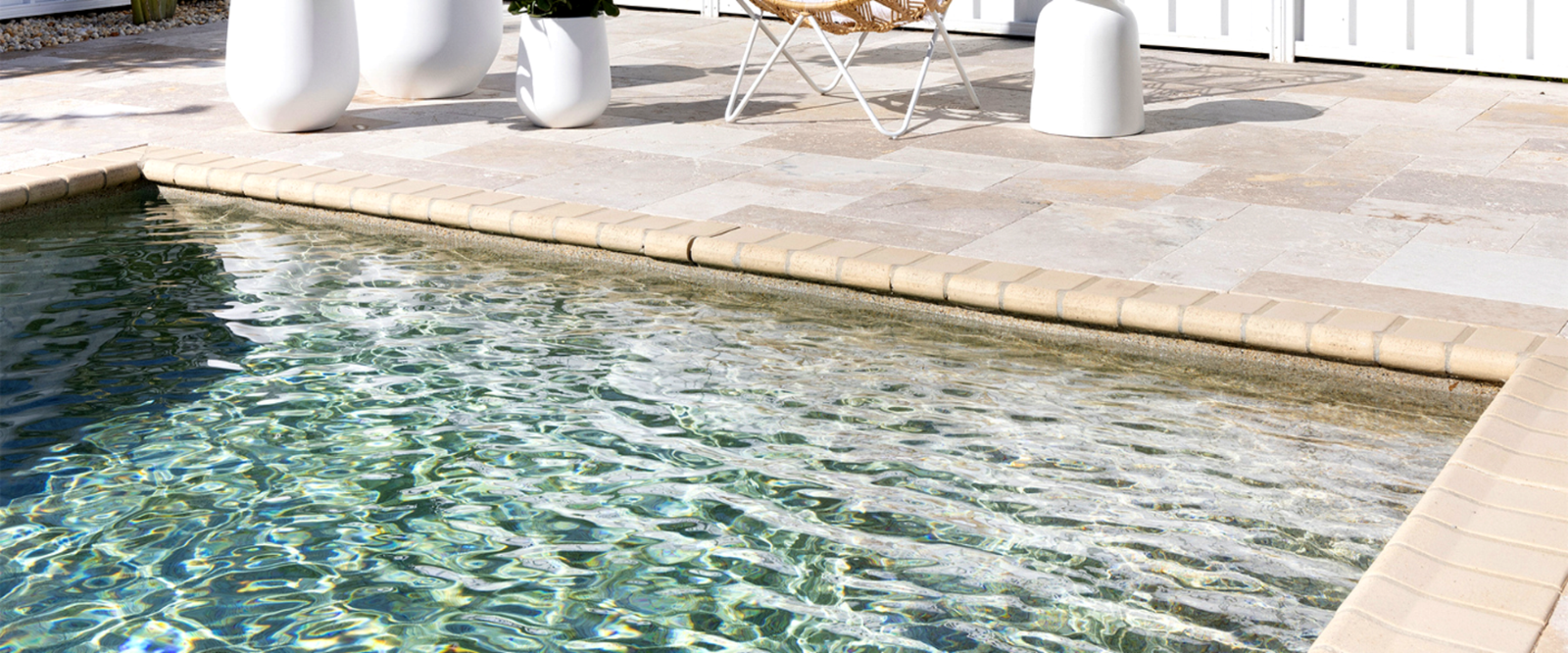
Natural stone is formed over thousands—or even millions—of years through the slow layering of mineral deposits deep within the earth. These layers are created by natural forces such as pressure, heat, water movement, and chemical reactions, all working together in a process that can’t be rushed or replicated. Over time, this geological activity gives birth to the stones we admire today—travertine, marble, limestone, and more—each with its own story etched into its surface.
Because this process is entirely organic, natural stone color variation is inevitable and beautiful. No two stones are ever truly alike. Each piece holds a distinct combination of color shifts, veining patterns, and surface textures, shaped by the unique conditions under which it formed. Even tiles cut from the same block can look dramatically different side by side. These natural differences give the material a level of depth and authenticity that manufactured products simply can’t achieve.
When you choose a material with natural stone color variation, you’re not just selecting a building product—you’re bringing a piece of the Earth’s history into your space. It’s like owning a custom work of art created by nature itself, rich in detail and impossible to duplicate. Whether placed in a modern kitchen, a rustic patio, or a luxurious bathroom, natural stone color variation adds warmth, personality, and timeless beauty that elevates any environment.
2. Bolder Colors Bring More Variation
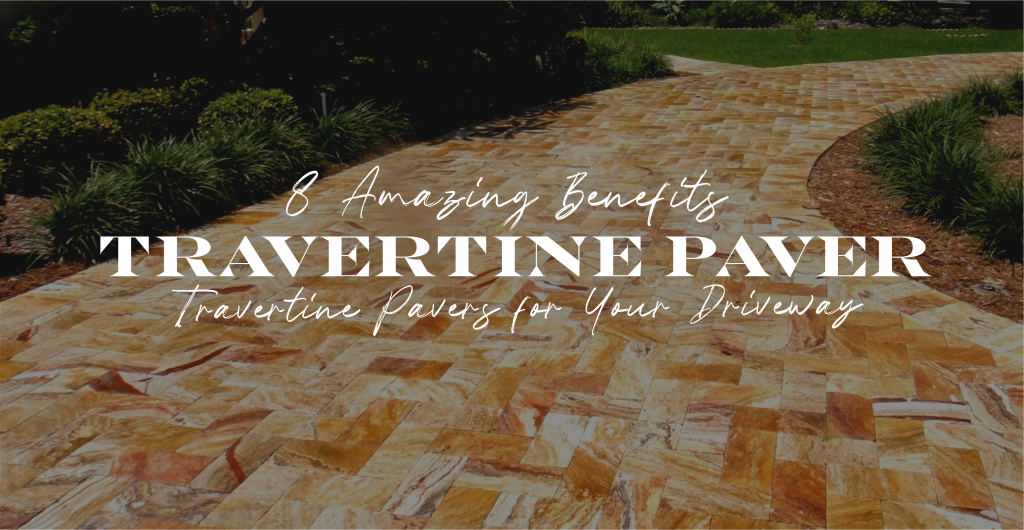
If you’re drawn to bold, dramatic tones—think deep creams, earthy rusts, warm golds, and smoky charcoals—then expect to see a greater degree of natural stone color variation in the material you choose. These rich color palettes tend to highlight the organic unpredictability of natural stone, showcasing striking contrasts, dynamic veining, and unique patterns that simply can’t be replicated in manufactured products.
Take Leonardo travertine, for example: this stone is celebrated for its exceptional range, shifting effortlessly from soft whites to dark charcoals, all within a single batch. It often features bold streaks of red, gold, and cream across the surface, creating a dramatic, almost painterly effect that makes every tile feel like a natural masterpiece. This kind of natural stone color variation isn’t limited to color alone—it extends to movement, veining, and tonal transitions that change from tile to tile, ensuring no two pieces are exactly alike.
On the other hand, if your design leans toward a more minimal or serene aesthetic, softer tones like Ivory travertinemight be the better fit. Ivory tends to exhibit more subtle natural stone color variation, presenting a clean and cohesive look while still offering the authenticity and depth of a natural material. It’s perfect for those who want elegance without distraction—just enough variation to keep the surface visually interesting, without overpowering the space.
Understanding how color influences natural stone color variation is key to selecting the right stone for your vision. Whether you’re aiming for bold and expressive or soft and understated, the diverse possibilities within natural stone make it easy to find the perfect match for your aesthetic.
3. Nature Creates the Patterns—Not Machines
Travertine is a type of natural stone that forms from calcium carbonate, deposited slowly over thousands of years in mineral-rich hot springs and limestone caves. As water flows and evaporates, it leaves behind layers of sediment that gradually build up, harden, and crystallize into stone. This process—entirely natural and incredibly slow—takes millennia to produce the dense, durable material we now use in modern architecture and interior design.
What makes travertine so visually captivating is the way these mineral layers form over time. Tiny air pockets, subtle voids, and flowing patterns emerge throughout the stone, creating organic textures that look almost sculpted by hand. These details contribute to the natural stone color variation that defines travertine’s charm. From soft waves to dramatic streaks, each tile captures a unique snapshot of the Earth’s geological history.
Unlike engineered materials designed for consistency and uniformity, travertine embraces irregularity. Its natural formation results in rich textures and tonal shifts that vary from piece to piece. This natural stone color variation gives travertine its inviting warmth, tactile beauty, and timeless appeal. Whether you’re installing it on a floor, wall, or outdoor patio, the variation adds visual depth and personality that manufactured products simply can’t achieve.
Choosing travertine means embracing the uniqueness of nature itself. The inherent natural stone color variation not only enhances the aesthetics of your space but also connects you to the raw beauty of the Earth—bringing authenticity, elegance, and enduring value to any environment.
4. It Adds Depth and Visual Interest
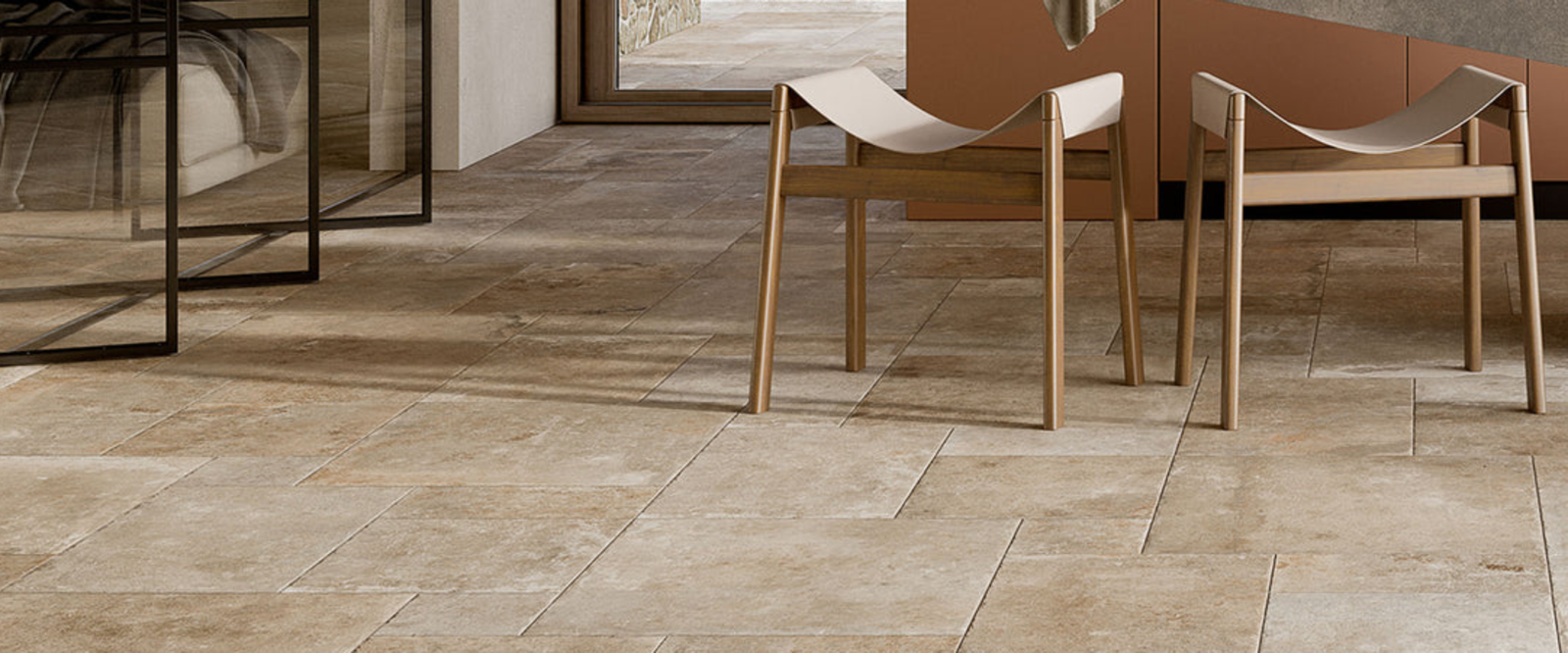
The subtle shifts in tone, texture, and pattern from tile to tile aren’t just minor details—they’re what bring natural stone installations to life. These nuances are a perfect example of natural stone color variation, introducing a sense of visual depth that far surpasses what man-made materials can offer. Instead of a flat, uniform surface, you get an ever-changing canvas that interacts beautifully with light, space, and surrounding design elements. As the sun moves through the room or lighting shifts from day to night, the stone’s varied hues and textures become more pronounced, giving your surfaces a rich, multidimensional look that evolves throughout the day.
This kind of natural stone color variation creates a dynamic flow, gently guiding the eye across the space. On floors, it breaks up large expanses and makes them feel more inviting and alive. On walls, it adds organic movement that softens modern architecture. In outdoor patios and walkways, the effect is even more dramatic—delivering a lived-in, natural feel that blends effortlessly with greenery, stonework, and sky.
These variations aren’t imperfections—they’re the fingerprints of nature, offering authenticity and character to every project. Even in minimalist or modern spaces, natural stone color variation introduces warmth and softness that counterbalances clean lines and polished finishes. It’s this rare blend of unpredictability and elegance that transforms a functional surface into a standout design feature—one that feels meaningful, grounded, and full of life.
So whether you’re using light, elegant Ivory travertine or bold, expressive Leonardo travertine, the color shifts from piece to piece create a cohesive yet visually rich result. That one-of-a-kind quality is what elevates a space from simply “nice” to truly unforgettable.
5. It Hides Wear and Tear Better
One of the often-overlooked benefits of natural stone is how well it handles the wear and tear of everyday life—especially thanks to natural stone color variation. Because each tile or paver has its own unique look—complete with subtle shifts in color, organic veining, and textured surfaces—minor imperfections like scratches, scuffs, stains, or chips are far less noticeable than they would be on uniform, manufactured materials. Instead of standing out, these small marks often blend in with the stone’s natural patterning, becoming part of its earthy, lived-in charm.
This is where natural stone color variation proves especially practical. In high-traffic areas like entryways, kitchens, hallways, and outdoor spaces, flooring takes a constant beating—from heavy foot traffic and spills to dragged furniture and dropped objects. But with natural stone, you don’t have to worry about every scratch or smudge. The variation in tone and texture helps disguise everyday damage, preserving a beautiful appearance even in the most active environments.
Over time, the stone may even develop a patina, further enhancing its natural elegance. Rather than detracting from its beauty, this aging process adds to the story of the space. It reflects the rhythm of real life and gives your surfaces a warmth and authenticity that synthetic materials can’t replicate. Thanks to its durability, charm, and natural stone color variation, this material is not only a stylish choice—but a smart, long-term investment for both residential and commercial projects.
The One Drawback: It’s Not Predictable
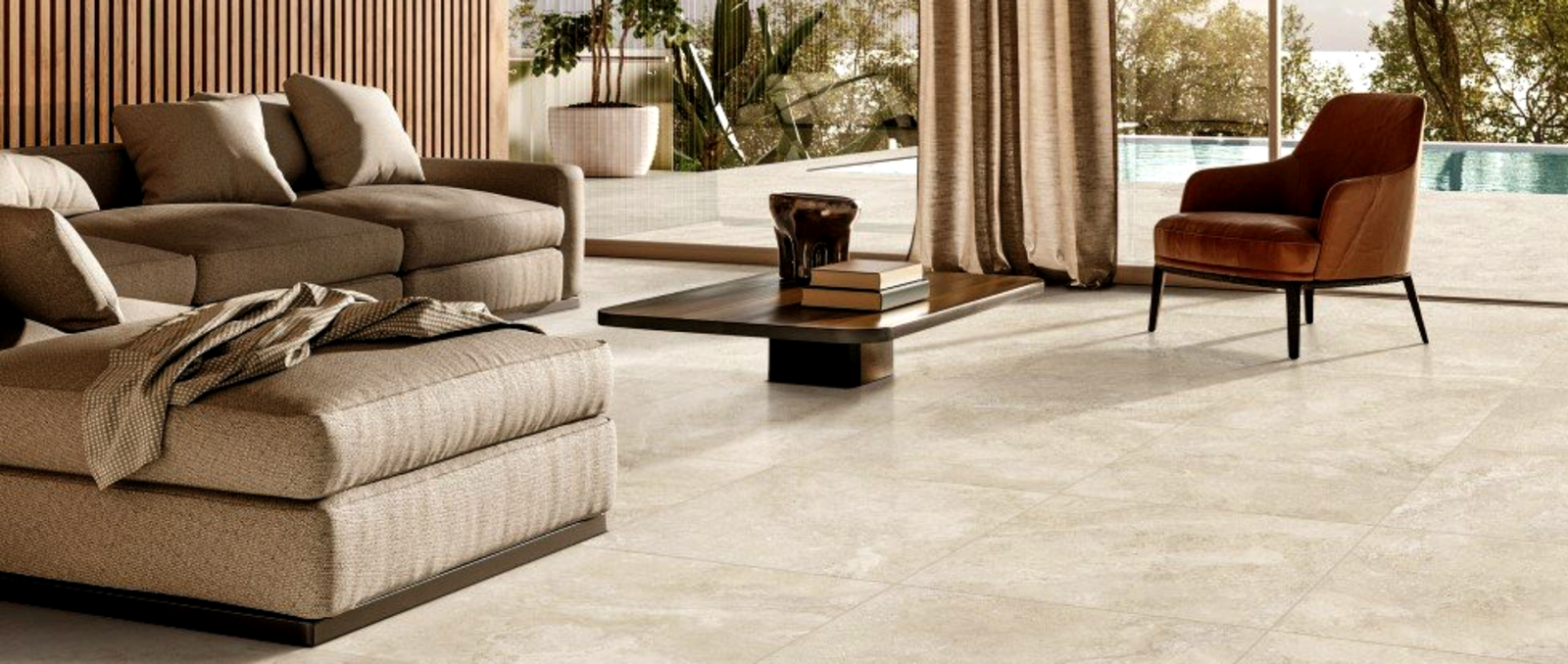
If you’re expecting perfect consistency, natural stone might catch you off guard. Unlike manufactured materials that are engineered for uniformity, natural stone embraces irregularity. Its inherent variation—while undeniably beautiful—can feel unexpected or even overwhelming if you’re not prepared for it. Color shifts, veining differences, and unique surface textures can occur even within the same batch of stone, and these contrasts may stand out more once the tiles or pavers are installed.
For those unfamiliar with natural materials, this unpredictability can initially seem like a drawback. But when thoughtfully managed, it becomes one of the stone’s greatest strengths. The key is in the preparation: before installation, it’s essential to unpack and lay out all the tiles or pieces so you can plan their arrangement. This allows you to mix and match stones with different tones and patterns to create a balanced, harmonious look across the entire surface.
This step helps avoid clusters of overly dark or overly light pieces and ensures that the natural variation flows evenly throughout the space. It also gives you the opportunity to highlight the most visually striking pieces in key areas—like entryways, kitchen islands, or focal points on a patio—while blending subtler tiles around them.
By approaching the installation as a creative process rather than a mechanical one, you can turn what some might see as a limitation into a design advantage. Embracing the organic variation of natural stone not only enhances the final result but also ensures that your space feels intentional, cohesive, and naturally elegant.
Natural Stone Color Variation – Final Thoughts
Natural stone color variation is not a flaw—it’s a feature. In fact, it’s one of the most compelling reasons people choose natural stone in the first place. The richness of its tones, the unpredictability of its patterns, and the individuality of each piece all contribute to a look that feels raw, real, and utterly unique. Unlike factory-made surfaces, which often appear sterile or repetitive, natural stone color variation tells a story. Each swirl, streak, and shift in shade reflects the slow, powerful forces of nature and the passage of time.
Whether you’re drawn to the bold, expressive character of Leonardo travertine, with its fiery undertones and dramatic contrast, or you prefer the soft, understated elegance of Ivory travertine, natural stone provides a visual experience that simply can’t be replicated. The variation in color, veining, and texture brings life and dimension to a space, transforming ordinary floors, walls, and patios into living surfaces that shift beautifully with changes in light and perspective.
By embracing natural stone color variation, you’re not just installing a surface—you’re curating an environment that feels authentic, grounded, and deeply personal. It’s the difference between something that looks “nice” and something that resonates. That subtle, one-of-a-kind beauty is what gives natural stone its timeless appeal and makes it a standout element in any setting.
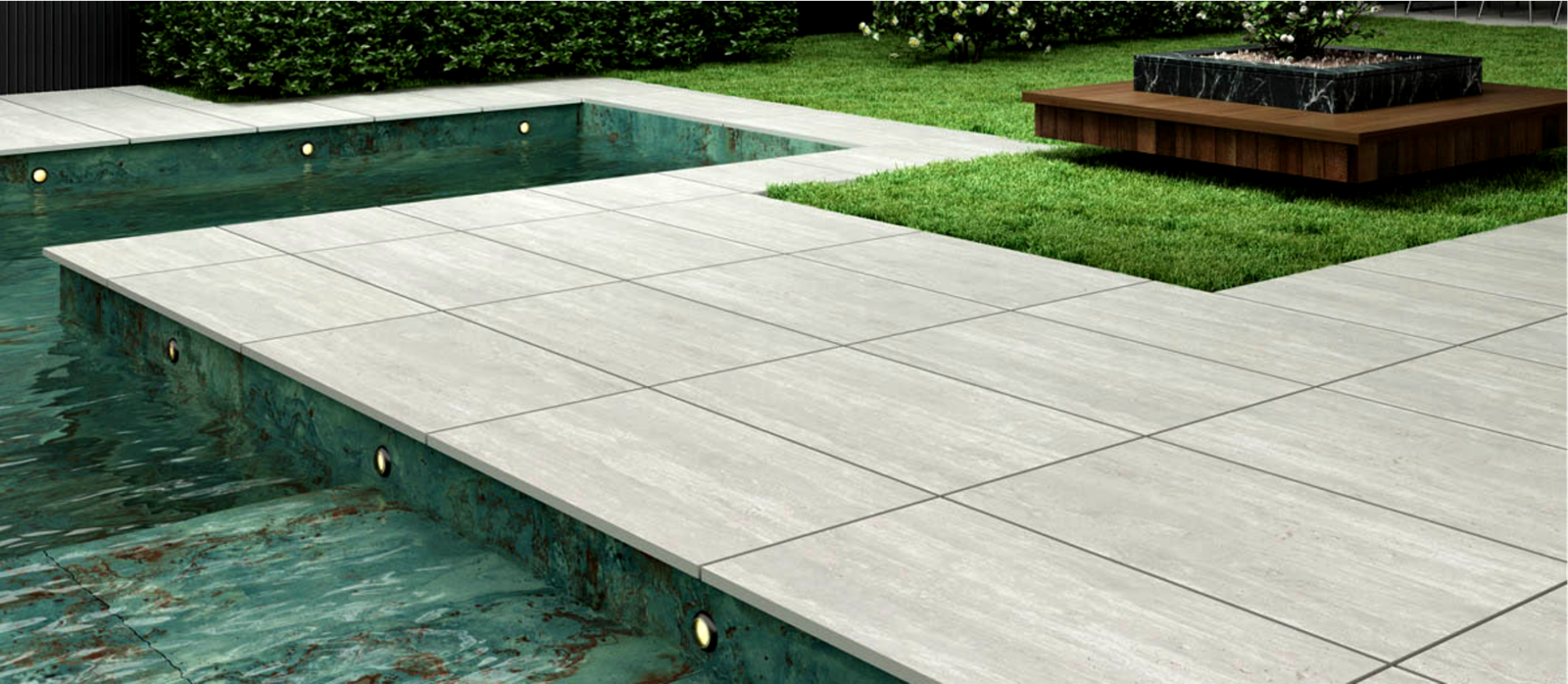
Drop by our showroom to see our stunning collection:
Tampa, FL , St Petersburg, FL , Orlando, FL , Naples, FL , Sarasota, FL, Fort Myers, FL , Jacksonville, FL , Houston, TX and Savannah, GA