Blog
7 Essential Pros and Cons of Bullnose Tile You Must Know Before Your Next Renovation

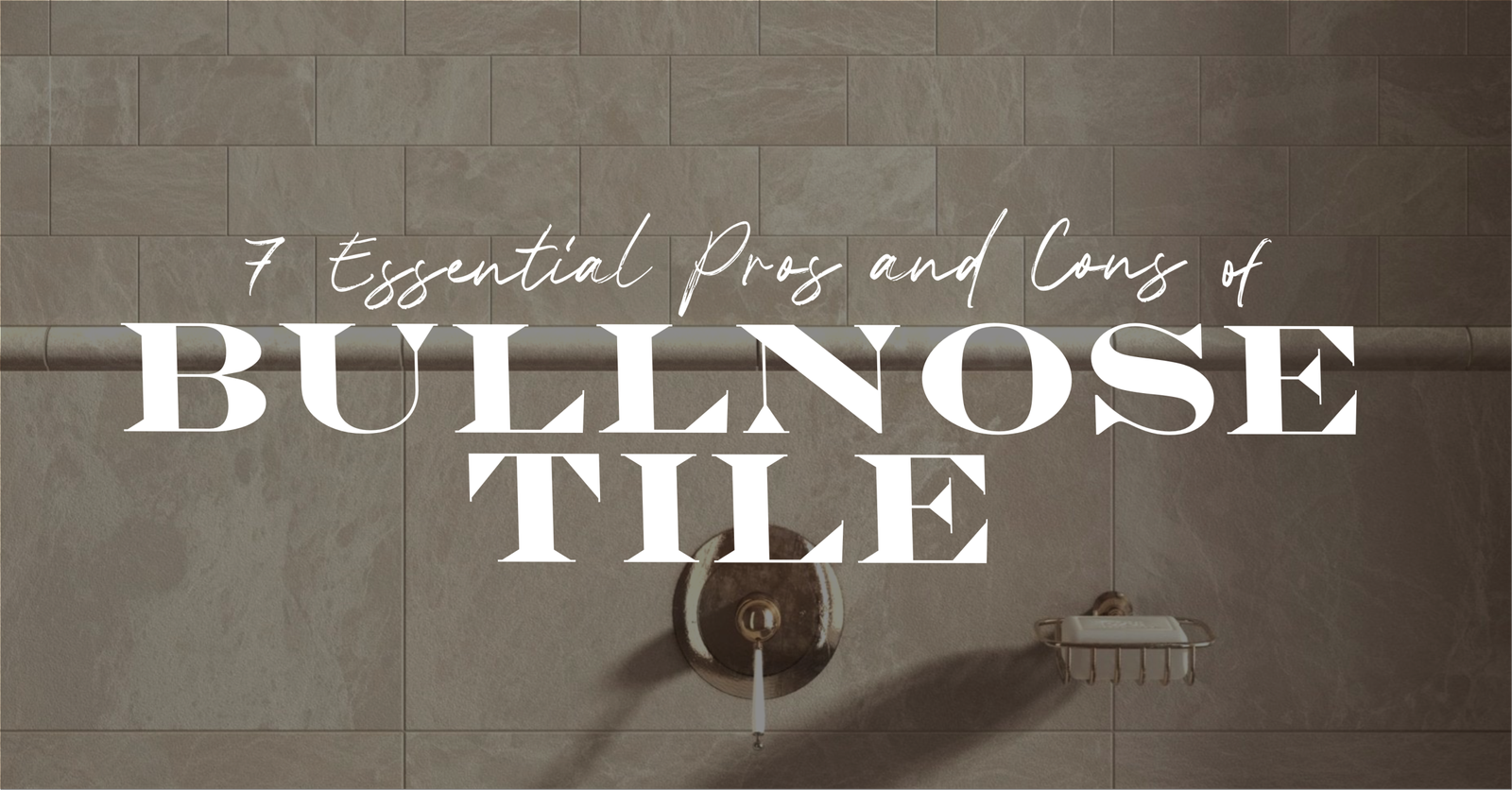
When planning a home renovation, especially when incorporating tile, it’s often the subtle details that separate a polished, professional finish from an amateur-looking job. One of the most important—yet frequently overlooked—elements is the use of bullnose tile. This single feature can tie a space together, adding both visual cohesion and functional protection to edges and corners.
Whether you’ve consciously noticed it or not, bullnose tiles are probably already part of your home’s existing design—perhaps edging your bathroom walls, finishing a kitchen backsplash, or rounding off a tiled staircase. These tiles are defined by their smoothly rounded edge, which creates a clean transition between tiled surfaces and adjacent materials like drywall or paint. But as design trends shift and new materials enter the market, many homeowners and designers find themselves wondering: are these curved tiles still relevant, or have they become a fallback from older styles?
In this article, you’ll explore the top pros and cons of using bullnose tile in your next project. From understanding its role in protecting vulnerable edges to recognizing where it may limit creative design choices, you’ll get a clearer picture of whether it’s the right fit for your space. We’ll also dive into the most common types available—ceramic, porcelain, natural stone—and how each one affects the overall look and feel of your room. Plus, learn essential tips for choosing the right size and quantity, along with straightforward measurement techniques that will help you avoid unnecessary waste of time and materials.
Whether you’re renovating a small powder room or planning a large-scale tile installation, knowing how and when to use bullnose tile can make all the difference in achieving a clean, timeless finish.
Table of Contents
What Is Bullnose Tile?
Bullnose tile is a specialized trim piece distinguished by its smooth, rounded edge, designed specifically to create a seamless and polished appearance in any tile installation. Its primary function is to cover exposed tile sides, eliminating the harsh look of raw edges and providing a more refined, professional finish. By rounding off corners and transitions where tile meets drywall, paint, or flooring, this tile not only enhances the overall aesthetic but also improves safety by reducing the risk of injury from sharp angles.
This type of trim is commonly applied in high-visibility or high-use areas such as the outer edges of shower enclosures, the perimeter of kitchen backsplashes, and along bathroom walls. It’s also frequently used at the junction of tiled floors and baseboards to deliver a cleaner visual line. Beyond its functional role, this detail plays a subtle but critical part in elevating the overall design, making even basic tiling jobs appear more intentional and cohesive. In short, it’s one of the most reliable ways to ensure your tile project doesn’t look abrupt or unfinished.
Common Types of Bullnose Tile
Rectangular Bullnose Tile
The most commonly used style is the rectangular bullnose tile, typically measuring about 3×13 inches. This elongated shape makes it especially well-suited for framing and finishing tile installations, offering clean, linear borders that enhance the visual structure of spaces like backsplashes, shower enclosures, and countertop edges. Its proportions allow it to follow horizontal or vertical lines with ease, creating a smooth transition between tiled and non-tiled surfaces.
Because of its widespread use, this format is readily available in a broad spectrum of colors, textures, and finishes—from glossy whites and natural stones to matte, modern neutrals. This variety allows homeowners and designers to match or contrast their trim with the main tile body, providing creative freedom in achieving a specific look or mood. Whether the goal is to complement classic subway tiles or frame a more contemporary mosaic, the rectangular bullnose tile remains one of the most versatile and accessible trim solutions in the market.
Square Bullnose Tile
Square bullnose tiles, often available in standard sizes such as 4×4 or 6×6 inches, offer a different aesthetic and functional advantage compared to their rectangular counterparts. These tiles are frequently paired with smaller field tiles and are especially effective in spaces where a more compact, balanced trim piece is needed. Their symmetrical shape makes them ideal for capping off tile edges in bathrooms, accent walls, or kitchen backsplashes where traditional charm is desired.
Although they’re not as commonly featured in minimalist or ultra-modern designs, square bullnose tiles remain a popular choice in homes that lean toward classic, cottage, or transitional styles. Their proportions lend themselves to vintage-inspired layouts or period-style renovations, offering a subtle touch of craftsmanship. When used thoughtfully, they create a warm and cohesive finish that blends seamlessly with both simple and decorative tile patterns, rounding off a space with understated elegance.
Corner Bullnose Tile
Corner bullnose tiles are a specialized variation designed with two adjacent rounded edges, rather than just one. This unique shape makes them particularly well-suited for finishing outside corners—areas where two tiled surfaces intersect at an angle, such as the outer edges of a shower niche, the junction where bathroom walls meet, or where a kitchen backsplash wraps around cabinetry or a wall edge. Their dual-rounded design allows for a smooth and continuous flow of tile, avoiding the abrupt visual break that occurs when standard square-edged tiles are used.
By softening sharp intersections and removing the need for awkward cuts or exposed edges, these corner pieces contribute significantly to both the safety and aesthetic of the finished space. They’re especially useful in creating a unified, high-end appearance that feels intentional and refined, adding a small but crucial level of craftsmanship. When incorporated into a tiling project, corner bullnose pieces ensure that even the trickiest transitions look polished and professionally executed.
Where to Use Bullnose Tile in Your Home
Bullnose tile is incredibly versatile and can be incorporated into a wide variety of spaces throughout your home, both for functional and decorative purposes. In bathrooms, it’s a go-to solution for finishing areas like tub surrounds, shower perimeters, built-in niches, and half walls. Its gently rounded edge not only delivers a clean, cohesive finish but also provides crucial protection in these moisture-prone, high-use zones. By smoothing the transition between tiled areas and adjoining materials like drywall or painted surfaces, it reduces the chances of edge damage and enhances the room’s overall polish.
In kitchens, bullnose tiles are often employed to cap off backsplash installations—especially where the tile ends abruptly at a cabinet line, a countertop, or a painted wall. Adding this trim detail ensures the design looks thoughtfully planned, rather than appearing as though it ends midstream. Even subtle applications can make a dramatic difference, helping tie the tile work into the overall aesthetic of the space.
Floor applications also benefit from bullnose tile. When installed at the junction where tile flooring meets the base of a wall or another surface, it functions as a visual anchor while also protecting against wear and tear. It’s a smart way to finish edges cleanly without relying on unsightly metal trim or plastic edging.
Beyond these traditional uses, bullnose tile can also serve as a design accent in its own right. Creative homeowners and designers often frame feature walls, mirror surrounds, or recessed shelves with a complementary or contrasting trim, using the bullnose profile to give the installation a crisp, gallery-like border. At Stone-Mart, popular selections such as the Timberline Subway Tile and the Studio Framed Subway Tile in Ice Blue showcase how an expertly chosen bullnose trim can elevate the final result and add a refined touch that sets the space apart.
How to Measure for Bullnose Tile
Accurate planning is essential when incorporating bullnose tile into your tiling project, as it ensures a seamless finish and avoids last-minute surprises. One of the most common challenges arises when your main tile selection doesn’t include a coordinating bullnose option. In these cases, you’ll need to source a visually compatible alternative—either from a different collection by the same manufacturer or from a completely separate line that shares similar color, texture, and finish characteristics. This makes early planning and precise measuring even more important.
Begin by identifying all the edges where trim will be necessary. These may include the end of a kitchen backsplash, the top border of a tiled bathroom wall, the perimeter of a shower niche, or even the area surrounding a window or doorway. Carefully measure the total linear footage of these exposed edges. For example, if you have a 10-foot span to cover and each trim piece is 12 inches long, you’ll need 10 tiles. However, it’s wise to purchase a few additional pieces to allow for cutting errors, breakage during installation, or future repairs.
Keeping organized notes, rough sketches of your layout, and clear measurements during the initial planning phase will make the finishing process much smoother. It also helps ensure that your bullnose trim integrates perfectly with the rest of your design—avoiding mismatches and delays that could disrupt your renovation timeline. Taking this extra step early on pays off with a more polished, professionally finished result.
Pros of Bullnose Tile
1. Clean, Polished Finish
Bullnose tile gives your project a refined, professional look by concealing the rough or unfinished edges of standard tiles. These rounded pieces create a smooth boundary that blends seamlessly into the surrounding surface, helping to visually frame the space and deliver a high-end, custom finish. Whether you’re installing a backsplash, a tiled shower, or a decorative wall feature, this simple addition elevates the entire design.
2. Improved Safety
The curved profile of bullnose tile offers more than just aesthetic value—it plays a key role in improving safety throughout your home. In areas prone to frequent activity, like kitchens, bathrooms, or stairwells, sharp tile edges can pose a hazard. Bullnose eliminates this risk by softening corners and transitions, minimizing the chance of accidental cuts, bumps, or scrapes.
3. Moisture Protection
Bullnose tile helps safeguard your installation from water damage by covering exposed tile edges, which are often the most vulnerable to moisture penetration. This added layer of protection is especially beneficial in wet environments like showers, bathtub surrounds, and behind sinks, where consistent exposure to water can weaken adhesive bonds or lead to mold and mildew over time.
4. Design Versatility
Thanks to the wide variety of available shapes, sizes, finishes, and materials, bullnose tile adapts effortlessly to virtually any design scheme. Whether you’re aiming for a rustic, Mediterranean look or a clean, modern aesthetic, there’s likely a trim style that will complement your field tile perfectly. This flexibility makes it a go-to solution for both traditional and contemporary interiors.
5. Functional Transition Element
Bullnose tile acts as a graceful transition between different materials or surfaces, such as where tile meets drywall, wood, or painted finishes. It allows for a smooth edge without the need for harsh metal trims or unfinished cuts. This makes your design look cohesive, intentional, and expertly executed, even at the most detailed points of the layout.
6. Durable Edge Protection
Beyond appearance, bullnose tile provides structural durability at the edges of your tile installation. These are the areas most likely to chip, crack, or wear down over time due to impact or foot traffic. Bullnose helps prevent such damage, extending the lifespan of your tilework and reducing the need for ongoing maintenance or touch-ups.
7. Decorative Enhancement
Bullnose tile can also serve a decorative function when used to frame a focal area or create a visual border. For example, outlining a tiled backsplash, mirror, or recessed niche with a contrasting bullnose can add definition and visual interest. These subtle design touches can dramatically increase the depth and character of a space, tying together the overall aesthetic without overpowering it.
Cons of Bullnose Tile
There none…. We’re kidding!
1. Limited Matching Options
Not every tile collection includes a corresponding bullnose tile, which can make the search for a perfect match more frustrating than expected. Without a dedicated trim in the same finish, homeowners and designers are often left hunting for an alternative that comes close in tone, texture, or sheen—sometimes with less-than-ideal results.
2. Design Compromises
When a matching bullnose tile isn’t available, you may have to choose a trim piece that deviates from your original concept. Even subtle differences in color or finish can disrupt the visual flow of your design, particularly in minimalist or highly coordinated interiors. This may force you to make aesthetic compromises to maintain function.
3. Higher Cost Per Piece
On a per-unit basis, bullnose tile is typically more expensive than standard field tile. Because it’s a specialty item that often requires additional manufacturing steps, the price reflects that. For projects requiring a large number of finishing pieces, this added expense can quickly inflate your overall material budget.
4. Added Project Costs
Beyond individual pricing, the total cost of using bullnose tile rises quickly when multiple edges need to be finished. Areas like tub surrounds, long backsplashes, stair treads, and full wall trims can demand a significant number of pieces, increasing both material and labor costs for your installation.
5. Availability Issues
Bullnose tile isn’t always kept in stock, particularly if you’re working with a rare colorway or a discontinued line. If you didn’t order enough initially or are revisiting a project after some time, sourcing additional pieces may involve extended wait times, higher shipping costs, or the disappointment of finding the product is no longer available.
6. Replacement Challenges
Should a bullnose tile become damaged after installation—due to impact, wear, or moisture—it can be difficult to replace. Finding an exact match, especially if your original tile has aged or been discontinued, may prove nearly impossible, potentially requiring you to patch with a close (but noticeable) alternative or redo a larger section.
7. Extra Planning Required
Unlike standard field tile, bullnose tile needs to be factored into your layout from the start. It requires accurate measurement and placement within your design plan. Overlooking this detail in the early stages can lead to delays, unexpected purchases, or unfinished-looking results that detract from the final presentation.
Final Thoughts: Is Bullnose Tile Worth It?
In most cases, the answer is a resounding yes—bullnose tile is absolutely worth the investment. This small yet impactful detail serves as the finishing touch that takes a tiling project from good to great. Whether you’re installing a backsplash in the kitchen, tiling a bathroom wall, or adding a border around a floor-to-wall transition, bullnose tiles smooth out the rough edges and create a more polished, professional appearance. By covering exposed tile borders, they offer an extra layer of protection while enhancing the overall visual flow of the space.
What truly sets bullnose tile apart is its ability to elevate the design without overwhelming it. It provides that essential “completed” look, making a space feel cohesive and thoughtfully executed. It’s not just a practical feature—it’s an aesthetic one, too, turning even simple projects into sophisticated designs.
To maximize the benefit of bullnose tile, start by planning early in your renovation process. Identify the areas where it will be most effective, measure carefully, and be sure to source the right pieces from a trusted supplier like Stone-Mart. By approaching the addition of bullnose tile with intention and precision, you’ll not only finish your project but also give it a professional, polished touch that adds value and beauty to your home.
Contact us today and let us help you make that vision come true at (813) 885-6900 or email us at info@stone-mart.com for more information.
Or drop by our showroom to see our stunning collection: Tampa, FL, St Petersburg, FL, Orlando, FL, Naples, FL, Sarasota, FL, Fort Myers, FL, Jacksonville, FL, Houston, TX and Savannah, GA