Blog
Unfold the 3 Secrets of the French Pattern: A Timeless design for elegance & functionality

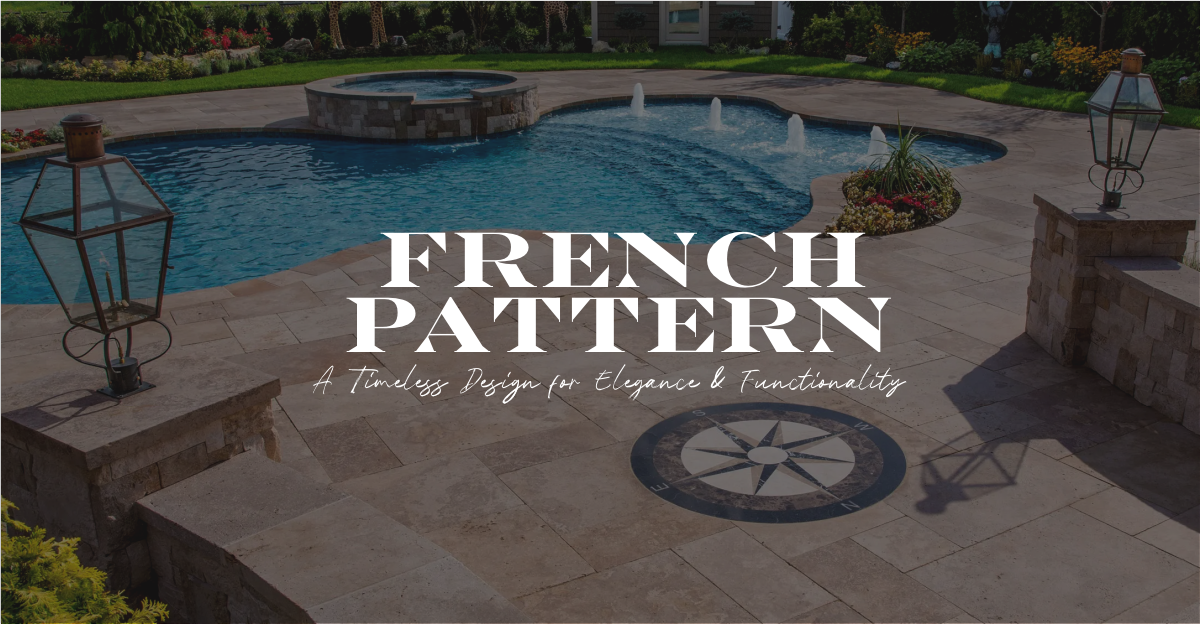
The French Pattern is a timeless flooring design that effortlessly blends elegance with functionality, offering a sophisticated layout that has graced the floors of historic palaces, regal estates, and modern luxury homes alike. Known for its intricate arrangement of rectangular and square tiles, this classic pattern has been revered for centuries for its ability to create a balanced and harmonious visual effect. It transforms any floor space into a work of art, with its complex yet inviting design, making it a sought-after choice in both traditional and contemporary interior design.
The French Pattern adds a touch of old-world charm and refinement to any space, enhancing the natural beauty of the materials it showcases, whether it’s natural stone or ceramic tiles. This distinctive pattern elevates the aesthetic of any environment, making it perfect for a wide range of settings, from Mediterranean villas to grand châteaux, and even modern urban homes. The versatility of the layout makes it ideal for both high-traffic areas and more intimate spaces, where its carefully crafted interlocking design brings an enduring sense of style.
With roots in 17th-century France, particularly in the grand palaces and gardens of the era, the French Pattern has stood the test of time and remained relevant in contemporary design. Its continued presence in modern architecture and interior decoration speaks to its enduring appeal and versatility. The pattern has proven itself to be not only visually stunning but also incredibly durable, often made from natural materials like marble, limestone, and travertine, which add to its timeless beauty and longevity.
In this article, we’ll explore the fascinating history, numerous benefits, and diverse applications of the French Pattern, delving into how it continues to inspire designers and homeowners across the globe. From its historical roots to its continued popularity in the design world, the French Pattern remains a symbol of luxury, durability, and versatility. It’s a design choice that brings an unparalleled sense of elegance to any space, making it a favorite among those who seek to combine aesthetic beauty with practical functionality.
Table of Contents
What is the French Pattern?
Certainly! Here’s a revised version of your text without repeating “French Pattern”:
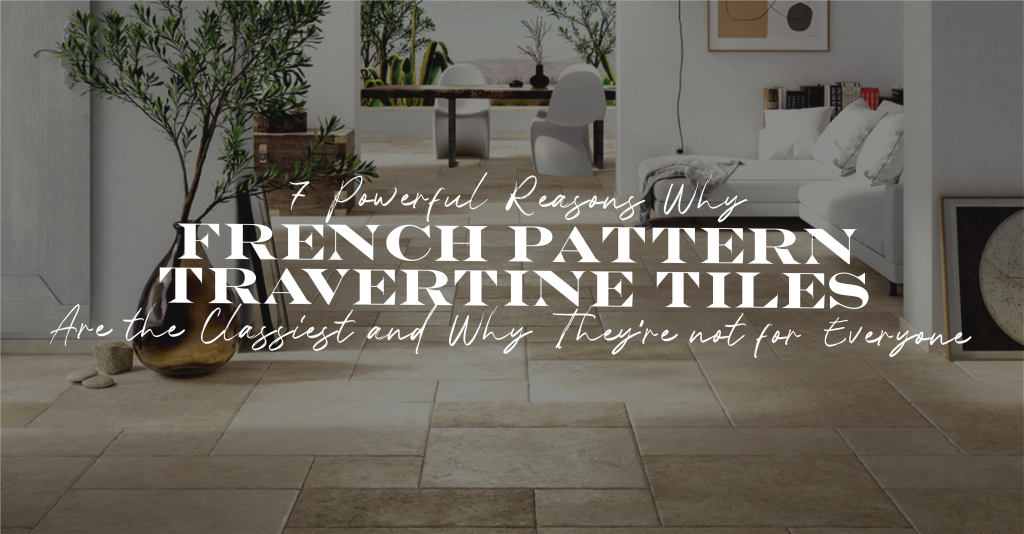
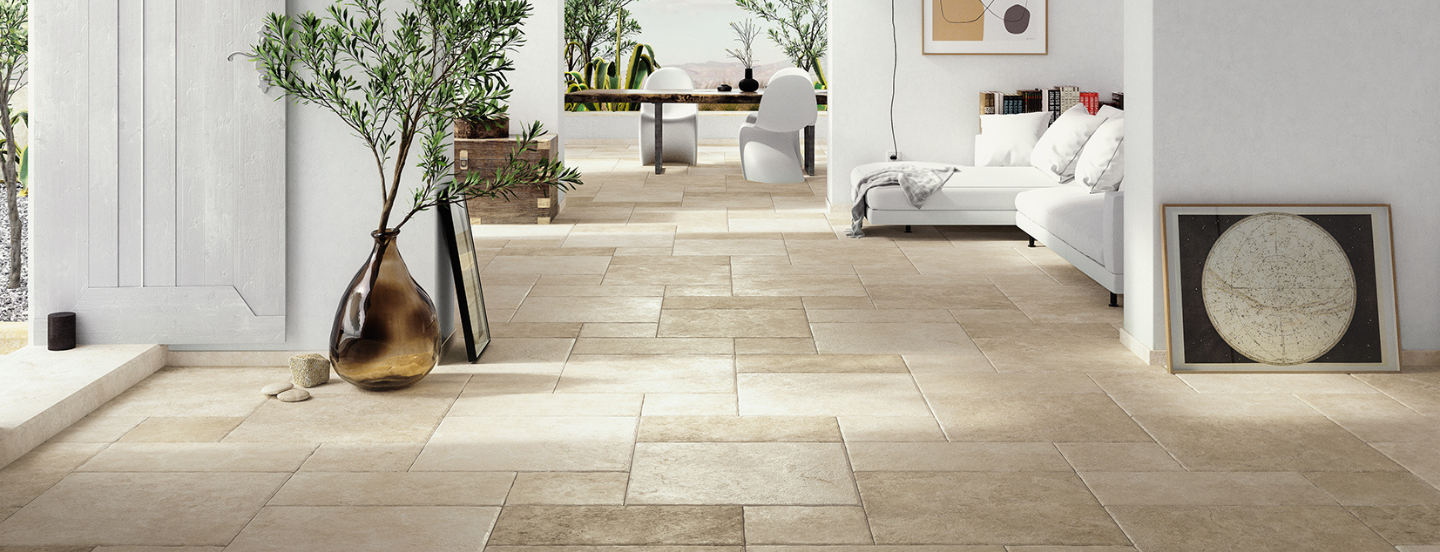
The Versailles Pattern, also known as the Ashlar Pattern, is a distinctive and timeless tile or stone flooring layout. This design is known for its intricate arrangement, which combines a mix of rectangular and square tiles in a repeating, interlocking pattern. The result is a visually dynamic surface that evokes an air of elegance and sophistication, reminiscent of classic European architecture, particularly the grand palaces and estates of France. It creates a natural, old-world aesthetic that blends refined luxury with rustic charm, making it a popular choice for both traditional and contemporary spaces.
The versatility of this pattern lies in its ability to adapt to various interior styles. Whether used in grand entryways, expansive living rooms, or more intimate settings like kitchens and bathrooms, it brings a sense of depth and texture to any room. The layout typically features tiles of varying sizes—such as 16″x24″, 8″x16″, and 8″x8″—arranged in a way that complements the room’s scale while creating a flowing, cohesive appearance.
While most commonly associated with natural stone tiles like travertine, limestone, or marble due to their classic appeal and durability, the design can also be replicated with other materials like ceramic or porcelain tiles. These alternatives offer a more budget-friendly option while still capturing the visual essence of the traditional stone arrangement. Additionally, this pattern is often used outdoors, particularly in patios, walkways, and courtyards, adding timeless beauty to exterior spaces as well.
With origins dating back to the 17th century, the layout was first used in the Grand Palace of Versailles. Since then, it has become a hallmark of French and European interior design, with its popularity continuing to grow worldwide. Whether employed to create grandeur in a large room or to bring character to a smaller, cozier space, this pattern remains a symbol of classic style and enduring elegance.
The layout typically includes four tile sizes:
- 8″ x 8″ (small square)
- 8″ x 16″ (small rectangle)
- 16″ x 16″ (large square)
- 16″ x 24″ (large rectangle)
The careful arrangement of these tiles creates a seamless and sophisticated look, adding texture and depth to floors, patios, and even walls.

Where Does the French Pattern Come From?
The French Pattern has deep historical roots dating back to 17th-century France, where it was widely used in grand palaces, noble estates, and historic châteaux. The pattern became particularly famous in the Palace of Versailles, where intricate stone and wood flooring designs were a symbol of wealth and refined taste.
During the Renaissance and Baroque periods, European architects sought to blend artistic beauty with functionality. The French Pattern was born from this movement, offering a layout that felt both structured and organic. It allowed for efficient use of materials while creating an elegant, timeless look that suited the grandeur of French architecture.
As France’s influence in art, design, and architecture spread across Europe and beyond, so did the French Pattern. It became a staple in Mediterranean-style villas, historic European estates, and even colonial mansions in the Americas. Today, it continues to be a favorite choice for both interior and exterior flooring, maintaining its reputation as a timeless and versatile design.
The French Pattern Through Time: A Journey of Elegance and Endurance
The French Pattern has remained a timeless flooring design, evolving through different eras while maintaining its distinct charm. From its aristocratic beginnings to modern-day applications, it has been a symbol of sophistication and durability.
- Origins in the 17th Century: The Age of Aristocracy
The French Pattern first gained prominence in 17th-century France, during the reign of King Louis XIV. It was a defining feature of the luxurious Palace of Versailles, where intricate stone and wood flooring designs were a statement of power and refinement. Wealthy aristocrats and noble families quickly adopted the style for their estates, favoring limestone, travertine, and marble.
This era established the French Pattern as a flooring style that represented status and elegance, making it a staple in châteaux and grand villas throughout France and Europe. - The 18th and 19th Centuries: European Expansion
As French design and architecture spread across Europe, the French Pattern found its way into Italy, Spain, and England, adapting to regional tastes. It became a hallmark of Mediterranean estates and Georgian-style mansions, where its versatile, natural look blended well with both rustic and refined interiors.
In the colonial period, European settlers brought the style to the Americas, particularly in places influenced by French culture, such as New Orleans and parts of Canada. It was often used in plantation homes and European-inspired mansions. - The 20th Century: From Tradition to Modern Luxury
With the rise of industrialization and mass production in the 20th century, the French Pattern saw a shift. While traditionally crafted from hand-cut natural stone, modern versions emerged using machine-cut travertine, ceramic, and porcelain tiles.
During the mid-century modern movement, architects and designers revisited classic European styles, leading to a resurgence of interest in the French Pattern for both interior and exterior applications. It became popular in luxury hotels, high-end residences, and Mediterranean-style homes, particularly in regions like California, Florida, and the Mediterranean coast. - The 21st Century: Timeless Design Meets Innovation
Today, the French Pattern remains a top choice for interior designers, architects, and homeowners who appreciate its classic yet versatile aesthetic. Advances in tile manufacturing have made the pattern more accessible, with options in porcelain, wood-look tiles, and even concrete.
- Sustainability & Eco-Friendly Materials: Modern versions now include recycled materials and environmentally friendly production methods.
- Indoor & Outdoor Popularity: The pattern is widely used in luxury interiors, pool decks, patios, and driveways, maintaining its old-world charm with modern durability.
- A Global Flooring Staple: Whether in a Parisian apartment, a Tuscan villa, or a beachfront home in California, the French Pattern continues to enhance spaces with its timeless elegance.
A Design That Stands the Test of Time
From the grand halls of Versailles to modern luxury homes, this timeless flooring design has proven its remarkable ability to adapt, evolve, and endure through the centuries. With its perfect balance of form and function, it continues to captivate designers and homeowners alike. Whether gracing the floors of stately palaces or contemporary residences, it effortlessly enhances the character of any space with its sophisticated and intricate layout.
The unique blend of structure and artistry allows the design to fit seamlessly into a wide range of architectural styles, from classic to modern. Its carefully crafted arrangement of rectangular and square tiles creates a harmonious flow that brings elegance and a sense of history into any room or outdoor area. This combination of aesthetic beauty and practicality ensures its lasting appeal, making it a favorite choice for those seeking a flooring style that reflects both historical grandeur and modern living.
Through the centuries, the design has remained a symbol of luxury, refinement, and timeless sophistication. Its enduring presence in both historical landmarks and contemporary homes attests to its versatility and unmatched ability to elevate the spaces it inhabits. Whether used in grand estates or intimate settings, it continues to embody a unique blend of old-world charm and modern elegance, securing its place as a flooring style for the ages.
3 Secrets of the French Pattern You Didn’t Know
- It Was Originally Designed to Minimize Waste
Despite its luxurious appearance, the French Pattern was actually created for practicality. In historic European quarries, large stone slabs were cut by hand, and this pattern allowed maximum use of raw materials, reducing waste while still creating an elegant, structured design. - It Wasn’t Always Called ‘French Pattern’
Before becoming known as the “French Pattern,” it was commonly referred to as an Ashlar Pattern or Versailles Pattern, especially in historic records. The association with France grew stronger over time due to its heavy use in aristocratic estates and, of course, the Palace of Versailles. - It Creates an Optical Illusion of Space
The unique mix of square and rectangular tiles in the French Pattern helps to break up straight lines and prevent visual monotony. This makes small rooms appear larger and adds depth to outdoor patios and pool areas, making it a designer favorite for both cozy and grand spaces.
Why Is the French Pattern So Popular?
The French Pattern has remained a favorite in flooring design for centuries, and its popularity continues to grow. Here are the key reasons why it stands out:
- Timeless Elegance & Old-World Charm
The French Pattern exudes sophistication and classic European beauty. Its origins in Versailles and noble estates make it a symbol of luxury, yet it fits seamlessly into both traditional and modern homes. It has a timeless quality that never looks outdated. - Unique & Visually Appealing Layout
Unlike standard tile arrangements, the mix of rectangular and square tiles in the French Pattern creates a natural flow and breaks up rigid lines. This makes it more visually interesting than simple grid or staggered layouts. - Versatility in Material & Style
The French Pattern works well with a variety of materials, including:
- Travertine – A classic choice for a rustic, natural look
- Limestone & Marble – For a more refined, luxurious aesthetic
- Porcelain & Ceramic – A modern, budget-friendly alternative
- Wood-look tiles – A contemporary twist on the classic pattern
It suits Mediterranean villas, French châteaux, modern homes, beachside retreats, and even industrial-style spaces.
- Enhances Indoor & Outdoor Spaces
The French Pattern isn’t just for interiors—it’s widely used in:
- Living rooms, kitchens, and hallways for warmth and elegance
- Patios, pool decks, and courtyards for a seamless outdoor look
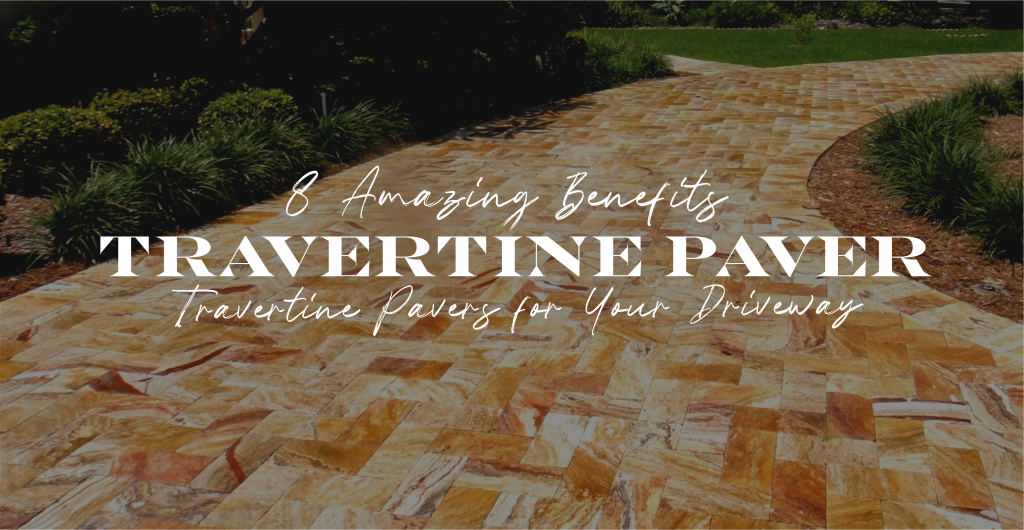
- Driveways and walkways, thanks to its durability and aesthetic appeal
- Creates the Illusion of Space
The staggered pattern prevents monotony and harsh grout lines, making small spaces appear larger and more open. This is why it’s popular in smaller rooms, hallways, and outdoor areas. - Durable & Long-Lasting
When installed with natural stone, the French Pattern can last decades, if not centuries. It is resistant to wear, weather, and heavy foot traffic, making it ideal for high-end homes, hotels, and historic restorations. - Increases Property Value
Buyers and designers recognize the French Pattern as a high-end flooring choice, meaning homes with this feature often have higher resale value. It adds a touch of luxury and exclusivity that appeals to homeowners.

Where Can the French Pattern Be Used?
The French Pattern is highly versatile, seamlessly adapting to both interior and exterior spaces with grace and sophistication. Its mix of square and rectangular tiles creates a natural, elegant flow that enhances various environments, adding depth and character to any setting. Whether used in living rooms, kitchens, or outdoor patios, the French Pattern instantly elevates the look of a space, imbuing it with a timeless charm that transcends trends.
This classic layout not only brings aesthetic beauty but also serves to complement a wide range of materials and color palettes. From luxurious marble in grand entryways to rustic travertine in courtyards, the French Pattern offers endless possibilities for enhancing any design vision. Its ability to create cohesion and balance within a room or across an entire property makes it a sought-after choice for both residential and commercial projects.
The intricate yet harmonious design of the French Pattern works especially well in environments that aim to evoke a sense of warmth and elegance, whether indoors or outdoors. Its enduring popularity is a testament to its timeless appeal and versatility, making it a perfect choice for homeowners and designers who appreciate both beauty and functionality.
Interior Applications
The French Pattern is often used indoors to add a touch of classic sophistication. Some of the best places to use it include:
- Living Rooms – Creates a warm, timeless foundation for traditional or modern interiors.
- Kitchens & Dining Areas – Works well with rustic, Mediterranean, or contemporary designs.
- Hallways & Entryways – Adds depth and character to high-traffic areas.
- Bathrooms – Enhances luxury when paired with marble or travertine tiles.
- Fireplace Surrounds & Accent Walls – Can be used beyond flooring for a stylish, textured effect.
Exterior Applications
The French Pattern is equally popular for outdoor spaces, providing both aesthetic appeal and durability. Common exterior uses include:
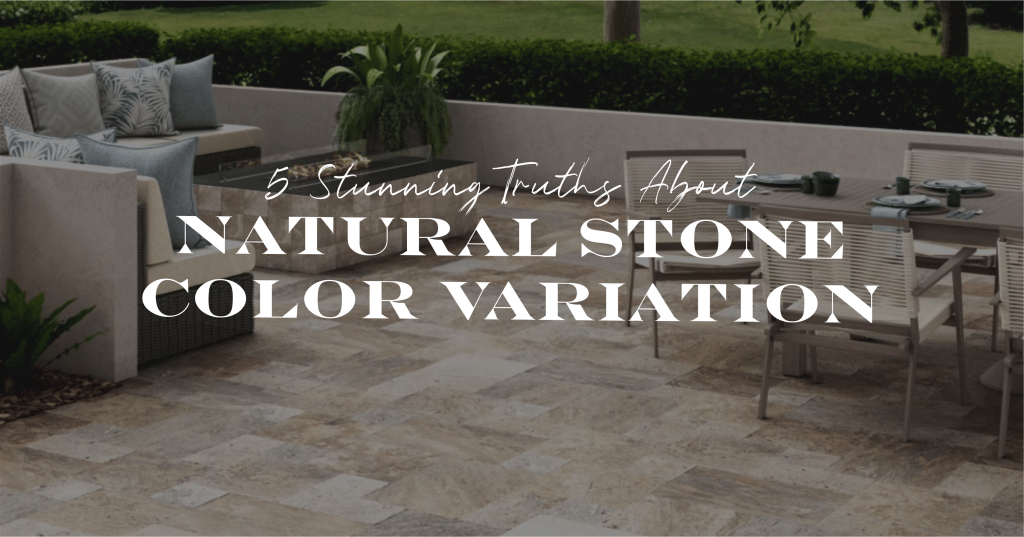
- Patios & Courtyards – The interlocking layout complements outdoor seating areas beautifully.
- Pool Decks – Works especially well with travertine or limestone, which remain cool underfoot.
- Driveways & Walkways – The mix of large and small tiles provides a stable, durable surface.
- Garden Paths & Outdoor Kitchens – Enhances natural surroundings while maintaining a structured look.
Why It Works in Both Interiors and Exteriors
- Durability – Natural stone options like travertine and limestone withstand weather and foot traffic.
- Slip-Resistance – Textured finishes make it ideal for wet areas like bathrooms and pool decks.
- Seamless Flow – The same pattern can be used inside and outside to create a continuous, cohesive design.
Whether for a classic European-style interior or a relaxed Mediterranean-inspired outdoor space, the French Pattern remains a top choice for homeowners and designers alike.
The Enduring Legacy of the French Pattern
The French Pattern is more than just a flooring layout—it is a design legacy that has stood the test of time. Originating in 17th-century France, it was first seen in the grand halls of Versailles and aristocratic estates before spreading across Europe and beyond. Designed for both beauty and practicality, its unique combination of four tile sizes creates a natural, seamless flow that adds depth and elegance to any space.
Its timeless appeal, versatility, and durability have kept it relevant in modern design. Whether used in indoor spaces like living rooms, kitchens, and bathrooms, or outdoor settings such as patios, pool decks, and courtyards, the French Pattern enhances spaces with its old-world charm and structured elegance.
The pattern works exceptionally well with natural stone materials like travertine, limestone, and marble, but modern adaptations now include porcelain and ceramic tiles for more budget-friendly and low-maintenance options. Its ability to make spaces feel larger, more refined, and visually dynamic makes it a favorite among architects, designers, and homeowners alike.
With its historic roots, aesthetic appeal, and practical benefits, the French Pattern remains a timeless choice that blends tradition with modern sophistication. Whether you want to add a touch of European luxury or a rustic Mediterranean feel, this flooring design continues to be a statement of elegance and craftsmanship.
Drop by our showroom to see our stunning collection:
Tampa, FL , St Petersburg, FL , Orlando, FL , Naples, FL , Sarasota, FL, Fort Myers, FL , Jacksonville, FL , Houston, TX and Savannah, GA