Blog
The Truth Behind Marble and 3 Fascinating Facts About Marble

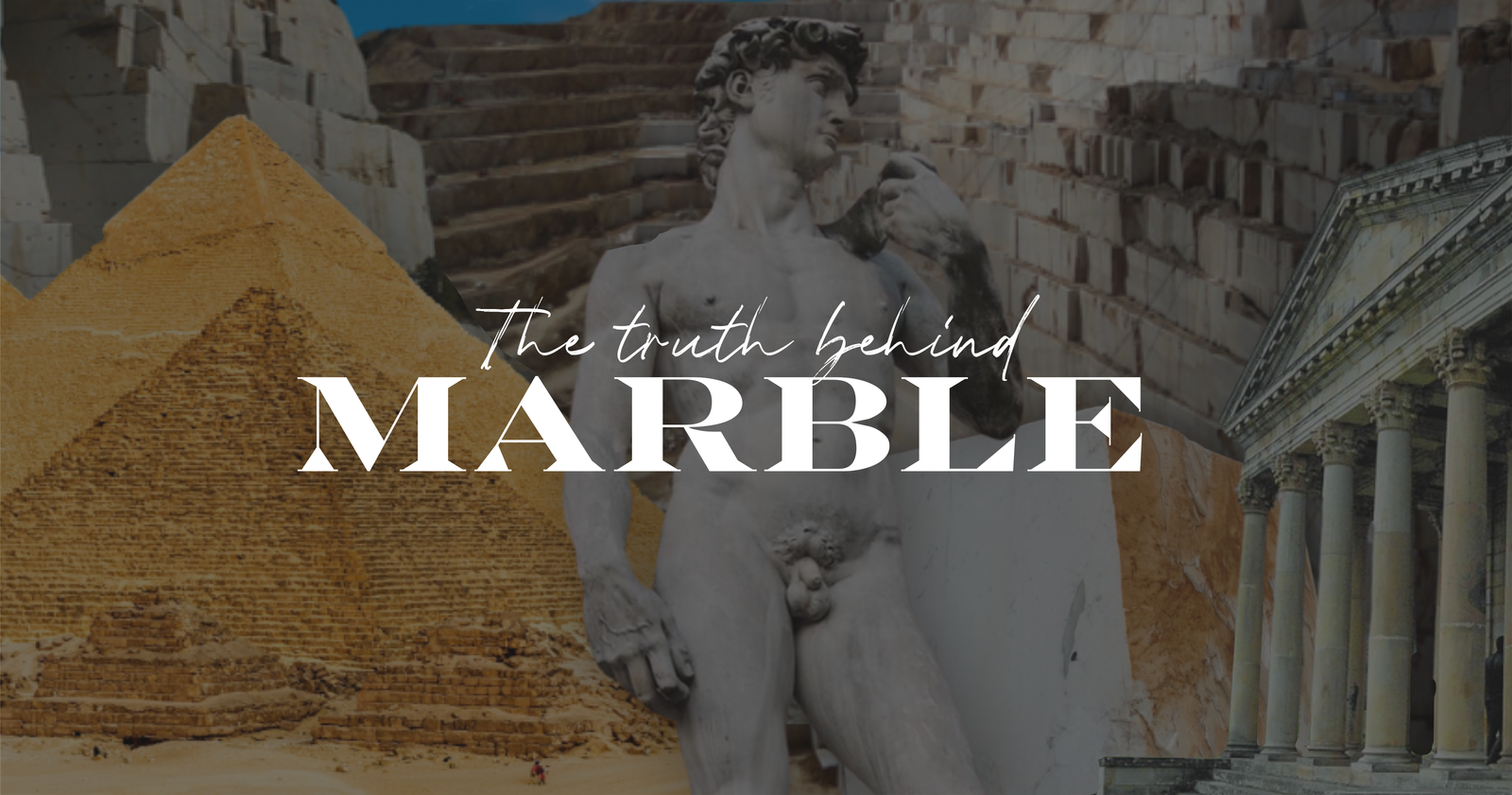
Have you ever paused while walking on a marble floor in your home or preparing a dish on your kitchen countertop to wonder about the miraculous journey of this “beautiful, shining stone” before it adorned your living space? Probably not.
Table of Contents
The story of marble is much older than you may think… Let’s start from the beginning.
What is it?
Marble, derived from the Greek word marmaros, meaning “shining stone,” is a metamorphic rock that forms when limestone undergoes extreme heat and pressure beneath the Earth’s crust. This natural transformation results in a dense, crystalline structure that gives marble its signature smooth texture and striking veining patterns.
Renowned for its timeless beauty, durability, and versatility, it has been used for centuries in architecture, sculpture, and interior design. From the grandeur of ancient Greek and Roman temples to modern luxury countertops and flooring, marble remains a top choice for builders, artists, and designers alike.
What makes this natural stone particularly unique is its ability to withstand immense weight while also being easily carved. This makes it a preferred material for intricate sculptures and detailed architectural elements. Additionally, its naturally occurring color variations—ranging from classic white and elegant black to shades of green, pink, and gold—make it a highly sought-after stone for aesthetic applications.
In addition to its decorative appeal, marble offers practical benefits. It is resistant to heat, making it an excellent surface for kitchens and fireplaces. While it requires proper sealing and maintenance to prevent staining, its longevity and luxurious appearance make it a worthwhile investment for residential and commercial spaces.
Whether you’re looking to add a touch of sophistication to your home, understand the geological formation of natural stone, or explore its historical significance, marble remains one of the most fascinating and valuable materials in the world.
Ancient Use
Marble has played a crucial role in human civilization for thousands of years, particularly in the realms of art, architecture, and sculpture. Ancient cultures valued this stunning natural stone for its remarkable beauty, durability, and versatility, often utilizing it to craft breathtaking monuments, statues, and architectural structures that continue to inspire awe in modern times.
In Ancient Egypt
The earliest recorded use of marble dates back to ancient Egypt, where it was utilized primarily for statues, decorative elements, and temple adornments. Though not as widespread as other materials, marble’s presence in Egypt’s finest artworks demonstrated its potential to be shaped into intricate designs and forms. However, while marble was present in some of Egypt’s most exquisite pieces, Egyptians predominantly favored other materials such as limestone, sandstone, and granite for both construction and sculpture. These materials were often more readily available and easier to work with, influencing their prominence in ancient Egyptian architecture.
Despite this, the appeal of marble persisted, gradually paving the way for its use and greater prominence in later civilizations. Its durability, smooth texture, and striking appearance made it an attractive material for artists and architects, ensuring that it would play a more significant role in cultures that followed. The early use of marble in Egypt signified a recognition of its potential, yet it would take centuries before other cultures fully embraced marble’s unique qualities and made it central to their artistic and architectural endeavors.
Greek Civilization
It was the ancient Greeks who truly elevated marble to an iconic status. Recognizing its natural beauty and its ability to achieve a smooth, polished finish, Greek artisans used it extensively in their sculptures and architectural masterpieces. The Greeks perfected the art of carving marble into realistic human forms, producing some of the most famous sculptures in history, such as the Venus de Milo, which remains one of the most iconic representations of classical beauty.
One of the most significant sources of ancient Greek marble came from Mount Pentelicus (Pentelikon) in Greece. This mountain supplied the pristine white marble used to construct the Parthenon in Athens, one of the most celebrated architectural achievements of antiquity. This exceptional quality of marble became synonymous with Greek art and culture, symbolizing refinement, intellectual achievement, and divine beauty. It was the Greek commitment to perfection in marble that would influence countless civilizations that followed.
The Roman Empire
The Romans inherited Greece’s admiration for marble and took its usage to new heights, incorporating it extensively in their grand architectural projects and urban design. The Roman Empire embraced marble not only for sculptures but also in the construction of monumental buildings, temples, columns, and even luxurious villas. Marble became a symbol of opulence and sophistication, with emperors and the elite using it as a display of their power and wealth.
One of the most striking examples of Roman marble architecture is the Pantheon, a masterpiece of engineering and design that remains one of the most well-preserved monuments of ancient Rome. The Pantheon’s vast dome, constructed from a mix of concrete and marble, was an architectural feat that influenced generations of builders. This building, along with many others throughout the Roman Empire, showcased the enduring power of marble as a tool for expressing authority, elegance, and the grandeur of Rome’s imperial might.

The Lasting Influence
The legacy of this natural stone in ancient civilizations laid a lasting foundation for its continued use in modern architecture and design. Throughout history, marble has been revered not only for its stunning appearance but also for its strength, versatility, and connection to the past. From the intricate sculptures of the Renaissance to the lavish luxury interiors of contemporary buildings, marble continues to be a symbol of sophistication, refinement, and timeless beauty.
In the Renaissance period, marble was rediscovered and transformed by master artists and architects who sought to revive the classical ideals of ancient Greece and Rome. Renowned figures such as Michelangelo and Donatello showcased their exceptional skills by carving masterpieces out of marble, breathing new life into this ancient stone. Their works, such as Michelangelo’s David and Donatello’s Saint George, became icons of artistic genius and further cemented marble’s place in the history of fine art.
Moving into the modern era, marble’s association with luxury and timeless beauty has not waned. Today, it continues to define high-end design in both public and private spaces. Marble floors, countertops, and wall treatments in luxury homes, hotels, and offices are celebrated for their ability to evoke a sense of grandeur and elegance. Its rich, varied colors and natural veining make each piece unique, ensuring that it remains a coveted material for those seeking a blend of beauty and enduring quality.
In architecture, marble is often used in both classical and contemporary designs to convey a sense of permanence and prestige. Whether in the construction of monumental government buildings, opulent private residences, or modern retail spaces, marble serves as a timeless material that links past traditions with present-day aesthetics. Its ability to be shaped, polished, and finished in myriad ways makes it an ever-evolving material, appreciated by designers and architects for its endless possibilities.
From the ancient temples and sculptures of long ago to the modern palaces and offices of today, marble remains a testament to the enduring appeal of this extraordinary natural stone. Its legacy continues to shape the world of architecture and design, ensuring that it will always be treasured as a symbol of elegance and historical significance.
The Renaissance and Beyond
During the Renaissance, marble made a strong comeback as a central material in the arts. Michelangelo’s David (1504), carved from a single block, is one of the most famous examples of marble sculpture in the world. This iconic work, renowned for its precision and lifelike detail, marked a high point in Renaissance art, showcasing the potential of marble in achieving both grandeur and fine detail. Renaissance artists, architects, and sculptors like Donatello and Bernini admired marble for its ability to be intricately carved and polished to a high sheen. They appreciated how it could capture the finest nuances of human form and emotion, enabling them to create works of exceptional beauty and complexity.
Throughout the 17th, 18th, and 19th centuries, marble continued to be a symbol of wealth, sophistication, and artistic achievement. Its use expanded beyond sculpture, becoming a key material in the design of palaces, monuments, and churches. Artists and architects relied on marble’s timeless elegance to adorn the grandest buildings, creating spaces of lasting beauty. In churches, it was used to construct altars, floors, and columns, adding to the sacred and majestic atmosphere. Similarly, in palaces and monuments, marble was employed to communicate the power and opulence of rulers and patrons, standing as a testament to both artistic skill and societal status.
In Modern Times
In modern times, marble remains a prized material, not only in sculptures but also in architecture, interior design, and luxury construction materials such as countertops and floors. Its enduring beauty, strength, and versatility have solidified its place as a symbol of elegance and refinement across a wide range of applications. The timeless appeal of marble ensures that it is still widely used today in both classical and contemporary architectural styles, bridging the gap between ancient traditions and modern innovations.
In architecture, marble continues to be a preferred choice for both exterior and interior elements. Its use in grand facades, columns, and staircases evokes a sense of magnificence, making marble a hallmark of prestigious public buildings and luxurious private residences. From historic monuments like the Taj Mahal to modern skyscrapers, marble’s presence in architectural design conveys an air of sophistication and permanence that few materials can replicate.
In interior design, marble has become synonymous with luxury. Its natural veining, rich textures, and wide array of colors make it a versatile choice for high-end finishes. Marble countertops, backsplashes, and bathroom vanities are common features in upscale homes, where the material’s elegance adds a sense of opulence to kitchens, bathrooms, and living spaces. Its durability and timelessness make it a practical investment for both functional and aesthetic purposes, as it resists wear and maintains its beauty over the years.
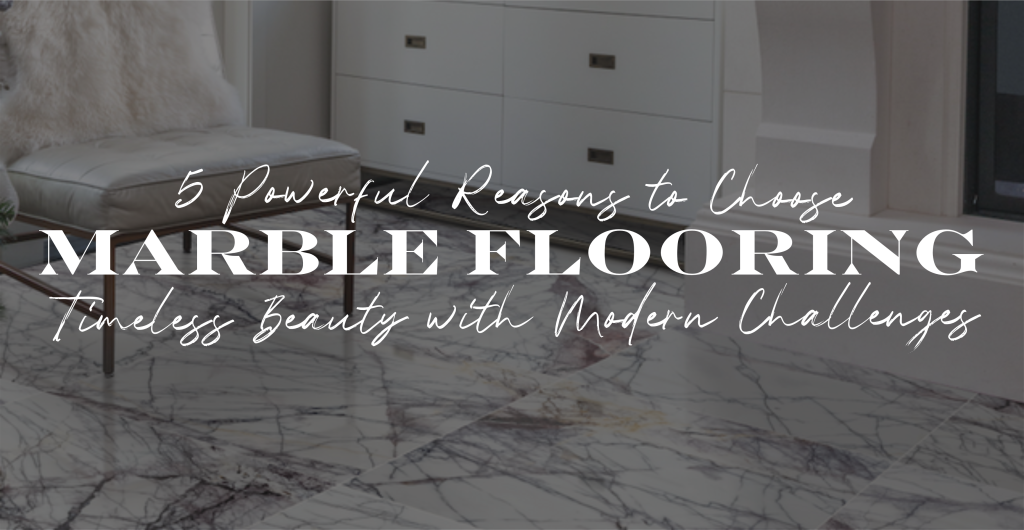
Marble is also highly sought after in flooring, where its distinctive patterns and polished surface elevate the overall design of any room. Whether used in traditional patterns or contemporary, minimalist settings, marble flooring adds a touch of grandeur and refinement. The versatility of marble flooring allows it to fit seamlessly into a variety of design schemes, from opulent palace-like interiors to sleek, modern spaces.
The appeal of marble extends beyond its beauty. Its use as a luxury construction material is driven by its historical significance, association with prestige, and timeless qualities. Whether in sculptures, flooring, countertops, or architectural elements, marble continues to inspire admiration and respect. Its rich legacy, coupled with its ability to evolve and remain relevant in modern design, ensures that marble will always be cherished as a material that transcends time and trends.
The Mining Process: From Quarry to Production
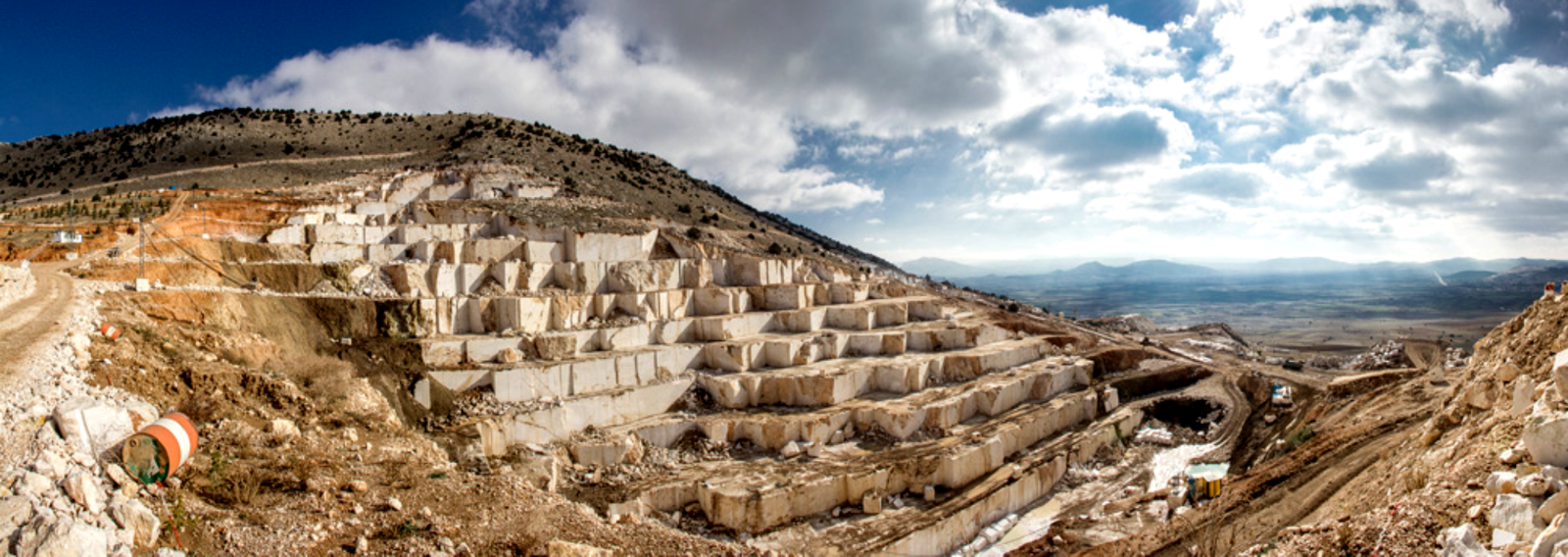
Marble, one of the most sought-after natural stones, undergoes an intricate and labor-intensive mining process before it reaches the marketplace. From the initial discovery of a quarrying site to its final delivery to distributors, the journey of this Natural Stone requires precision, advanced technology, and strict quality control. This article explores the entire process in detail, shedding light on how this luxurious stone is sourced, extracted, and processed for various applications.
Step 1: Identifying and Locating a Marble Quarry
The first and most crucial step in mining is identifying a suitable quarrying location. Geologists and mining experts conduct extensive research to locate exposed bedrock and analyze geological data. They look for veins with high purity, uniformity, and desirable color variations that will meet the demands of construction, interior design, and artistic applications.
Once a potential site is identified, diamond-tipped drills are used to extract core samples from the bedrock. These samples are then sent to laboratories to evaluate their composition, strength, and visual appeal. The quality is determined by factors such as:
- Color and Veining Patterns – White, black, green, and pink marble varieties are highly valued.
- Density and Porosity – Determines durability and resistance to staining.
- Hardness and Strength – Affects its suitability for flooring, countertops, and sculptures.
If the stone meets industry standards, the next step is obtaining the necessary permits and licenses. Mining companies must adhere to environmental regulations and land ownership laws before excavation begins. This approval process can take several months or even years, depending on the region’s legal framework.
Step 2: Preparing the Quarry for Extraction
Once all approvals are secured, preparation work begins to ensure a safe and efficient extraction process. This includes:
- Constructing Roads and Access Points – Heavy machinery and transport vehicles need proper infrastructure.
- Clearing the Quarry Site – Removing any topsoil, vegetation, or debris covering the deposit.
- Installing Drainage Systems – Prevents water accumulation, which can weaken the rock structure.
This preparatory phase is essential for smooth operations and ensures the safety of workers and equipment.
Step 3: Extracting the Blocks from the Bedrock
The extraction process is where the real work begins. Unlike traditional mining, marble quarrying requires precision cutting to ensure minimal waste and high-quality blocks. The most commonly used methods include:
1. Diamond Wire Sawing
Large diamond wire saws are used to cut through the marble bedrock. These wire saws, embedded with industrial diamonds, slice through the stone with remarkable accuracy, preserving the integrity of the marble while reducing material loss.
2. Drill-and-Blast Method
In some quarries, controlled explosives are strategically placed to loosen large sections of marble. However, this method is used cautiously, as excessive force can cause fractures in the stone.
3. Chain Saw Cutting
Specialized chain saws equipped with tungsten-carbide teeth are used to make precise cuts in marble. These saws allow for smooth separation without damaging the surrounding rock.
Once the marble is cut into large chunks, hydraulic jacks or airbags are inserted to gently separate the blocks from the quarry wall. These massive slabs are then carefully lifted using cranes and heavy machinery to prevent cracking or breakage.
Step 4: Cutting and Processing Marble Blocks
After extraction, the raw blocks undergo an initial cutting and shaping process to prepare them for transportation. This stage involves:
- Trimming Blocks into Uniform Sizes – Large chunks are resized into manageable blocks for further refinement.
- Surface Treatment – Some natural stone blocks undergo a preliminary sanding or resin treatment to enhance durability.
- Quality Inspection – Each block is checked for defects such as cracks, discoloration, or inconsistencies in veining.
At this stage, Marble is categorized based on its grade and quality, ensuring only the best materials proceed to the next phase.
Step 5: Transporting Marble from the Quarry to Processing Centers
Once the marble blocks are ready, they are carefully packaged and loaded onto trucks or ships for transport to processing facilities. At Stone-Mart, we specialize in sourcing the finest Turkish marble, known for its superior quality and exquisite color variations.
To maintain the stone’s integrity during transport, we:
- Use Reinforced Packaging – Protects against chipping and cracking.
- Transport in Large, Square-Cut Blocks – Reduces waste and ensures smooth edges for large-scale projects.
- Employ Advanced Logistics Systems – Guarantees safe and timely delivery to international distributors.
Step 6: Final Processing and Finishing
Upon reaching processing centers, marble undergoes further refinement to prepare it for its final application. The most common finishing techniques include:
- Polishing – Enhances the natural shine and smoothness of the stone.
- Honing – Provides a matte, non-reflective surface ideal for flooring.
- Flaming – Involves heat treatment to create a textured, slip-resistant finish for outdoor use.
- Resin Filling – Strengthens the stone by filling in natural imperfections.
Once the finishing touches are complete, marble is cut into tiles, slabs, or custom shapes for use in countertops, flooring, walls, and decorative applications.
Step 7: Distribution and Installation
After processing, the finished marble is distributed to wholesalers, retailers, and construction firms worldwide. Thanks to its timeless appeal, durability, and luxurious appearance, marble remains a top choice for architects, designers, and homeowners alike.
Why Choose Stone-Mart for Premium Marble?
At Stone-Mart, we take pride in offering high-quality marble sourced directly from Turkey’s renowned quarries. Our commitment to superior craftsmanship and sustainability ensures that every piece of marble meets the highest industry standards. Whether you’re designing a luxury home, a commercial building, or a historical restoration, we provide the finest natural stone for your project.
3 Fascinating Facts that You May Not Know
It Can “Heal” Itself: The Self-Repairing Ability of This Timeless Stone
One of the most fascinating and lesser-known characteristics of this natural material is its remarkable ability to “heal” itself over time. While many types of stone degrade when exposed to the elements, this one undergoes a transformation that can enhance its appearance rather than diminish it.
When surfaces made from this material come into contact with air and humidity, they slowly absorb carbon dioxide, setting off a chemical process known as calcite crystallization. This reaction works to naturally repair tiny cracks, surface imperfections, and micro-fractures, gradually filling them in and restoring a smooth finish. Over time, this effect can make the stone look even more polished and refined, reinforcing its longevity and appeal.
This unique characteristic has made it an ideal choice for architectural masterpieces, sculptures, and decorative elements that are meant to endure for generations. In historic buildings and monuments, where signs of aging might otherwise require intensive restoration, this stone’s self-repairing nature helps maintain its elegance with minimal intervention.
Unlike other natural materials that break down under environmental stress, this one actually benefits from exposure in certain conditions. The continuous cycle of absorption and crystallization acts as a built-in preservation mechanism, ensuring that even surfaces subjected to years of wear can naturally regain their luster.
This geological wonder is a testament to the power of nature’s design, offering both durability and beauty in a way that few other materials can match. Whether used in ancient sculptures, grand architectural structures, or modern luxury interiors, its ability to subtly renew itself over time is just another reason why it has remained one of the most prized materials throughout history.
Not Everything Called “Marble” Is Actually the Real Thing:
Despite its long-standing association with luxury and artistry, the term is frequently misused in the stone industry. Various materials that share a similar appearance are often marketed under the same name, but they don’t share the same geological origins. For example, serpentine and travertine are sometimes mistakenly referred to by this term, even though they are completely different types of rock.
Serpentine: A greenish, mineral-rich stone often confused with its metamorphic counterpart but technically classified as an igneous rock.
Travertine: A sedimentary stone formed in mineral springs, often used in architecture but with a much softer and more porous structure.
Genuine varieties originate from limestone or dolostone that has undergone extreme heat and pressure, transforming into a crystalline structure over thousands of years. Understanding the difference helps buyers make informed choices when selecting natural stone for construction, sculpture, and interior design projects.
Ancient Egyptians Were the First to Use It for Burial Structures:
Although this stone is widely associated with the grandeur of Greek and Roman architecture, its earliest known use for burial purposes dates back to ancient Egypt. Despite being rare and costly at the time, it was used for tombs, sarcophagi, and decorative burial elements, signifying status and durability.
The Egyptians, known for their advanced construction techniques, recognized its beauty and longevity. While they predominantly used limestone, sandstone, and granite for their colossal structures, they reserved this prized material for high-ranking individuals and sacred monuments. Pharaohs and elite figures were often buried in sarcophagi carved from this stunning stone, symbolizing both wealth and a connection to eternity.
This historical use paved the way for later civilizations, including the Greeks and Romans, to adopt and refine the techniques of quarrying and sculpting. Today, remnants of its presence in Egyptian tombs stand as a testament to its enduring legacy in human history.
Well… Now you know more about those “beautiful, shining stones.” So, the next time you think of marble, think about its remarkable journey, from ancient quarries to your modern living space.
Contact us today and let us help you make that vision come true at (813) 885-6900 or email us at info@stone-mart.com for more information.
Or drop by our showroom to see our stunning collection: Tampa, FL, St Petersburg, FL, Orlando, FL, Naples, FL, Sarasota, FL, Fort Myers, FL, Jacksonville, FL, Houston, TX and Savannah, GA